Abelard & Heloise
The most famous love letters of the Middle Ages
The philosopher-teacher Abelard and his brilliant student Heloise; their love produced a son and a secret marriage that ended in castration and religious life — and in some of history's most celebrated love letters.
01Why it matters
They are the intellectual lovers par excellence. Their correspondence founded the modern idea of love as a meeting of minds.
02The conflict
The revenge of Heloise's uncle Fulbert, who had Abelard castrated.
03The iconic moment
The exchange of letters from the convent, decades later.
04What survived
The "Historia Calamitatum" and their letters; their shared tomb in Père-Lachaise.
05Where to travel
06Frequently asked questions
Why is the story of Abelard & Heloise famous?
They are the intellectual lovers par excellence. Their correspondence founded the modern idea of love as a meeting of minds.
How does the story of Abelard & Heloise end?
The exchange of letters from the convent, decades later. The "Historia Calamitatum" and their letters; their shared tomb in Père-Lachaise.
Where can you visit the story of Abelard & Heloise?
You can visit Père-Lachaise Cemetery, in París. Their tomb, the cemetery's oldest.
Related loves
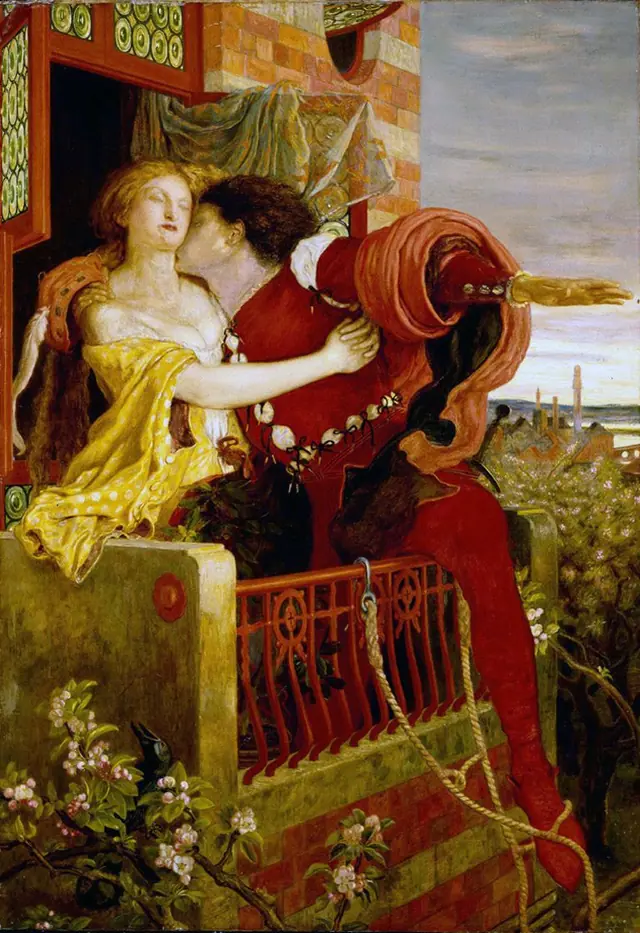
Romeo & Juliet
The universal archetype of forbidden love
The teenage lovers of two feuding families whose deaths became the universal archetype of forbidden love.
Read the story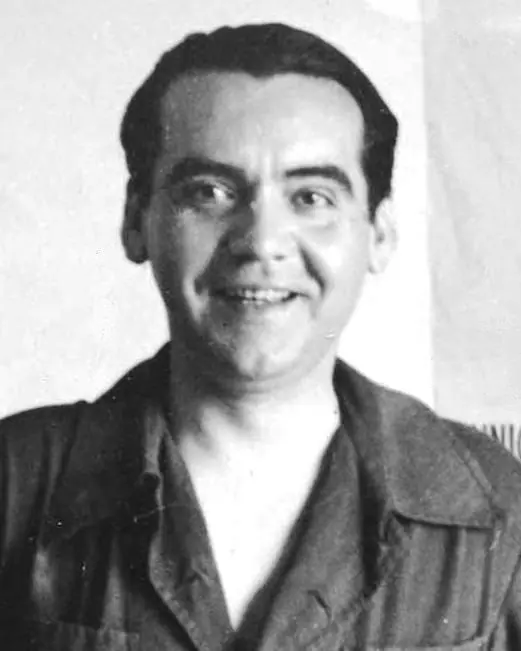
Lorca & Dalí
An impossible love between geniuses
Lorca fell in love with Dalí at Madrid's Residencia de Estudiantes; the painter did not reciprocate physically, but the bond was intense and inspired the "Ode to Salvador Dalí" (1926).
Read the story
Florentino Ariza & Fermina Daza
Fifty-one years, nine months and four days
Florentino's wait for Fermina is fixed by the novel itself: fifty-one years, nine months and four days, until he declares his love again at her husband's funeral.
Read the story