Anacaona & Caonabo
The poet-cacica and the last Taíno warrior
The cacica of Xaragua, famed for her areítos and her beauty, and the chief of Maguana who led the first Taíno rebellion against the Spanish: two sovereigns of Quisqueya joined in love and resistance, both destroyed by the conquest.
01Why it matters
It is the Caribbean's first great documented love and a founding symbol of Taíno and Dominican identity. Anacaona — poet and queen — embodies the dignity of Indigenous peoples in the face of extermination; her name, "golden flower," became an Indigenous banner across the Americas.
02The conflict
The Spanish conquest: Caonabo was captured by deceit around 1496 and died in the wreck of the ship taking him to Spain. Anacaona led Xaragua until governor Nicolás de Ovando seized her in a massacre.
03The iconic moment
Anacaona offering a welcome feast to Ovando in 1503; the Spanish set the house ablaze with the caciques inside and seized her, hanging her shortly after.
04What survived
Her memory as a poet-queen: cities, songs and poems bear her name, from Cheo Feliciano's "Anacaona" to Edwidge Danticat's novel. She is an icon of Caribbean Indigenous resistance.
05What to watch, read & listen
06Where to travel
07Frequently asked questions
Why is the story of Anacaona & Caonabo famous?
It is the Caribbean's first great documented love and a founding symbol of Taíno and Dominican identity. Anacaona — poet and queen — embodies the dignity of Indigenous peoples in the face of extermination; her name, "golden flower," became an Indigenous banner across the Americas.
How does the story of Anacaona & Caonabo end?
Anacaona offering a welcome feast to Ovando in 1503; the Spanish set the house ablaze with the caciques inside and seized her, hanging her shortly after. Her memory as a poet-queen: cities, songs and poems bear her name, from Cheo Feliciano's "Anacaona" to Edwidge Danticat's novel. She is an icon of Caribbean Indigenous resistance.
Where can you visit the story of Anacaona & Caonabo?
You can visit Léogâne, in Léogâne. The region of the old kingdom of Xaragua she ruled.
Related loves
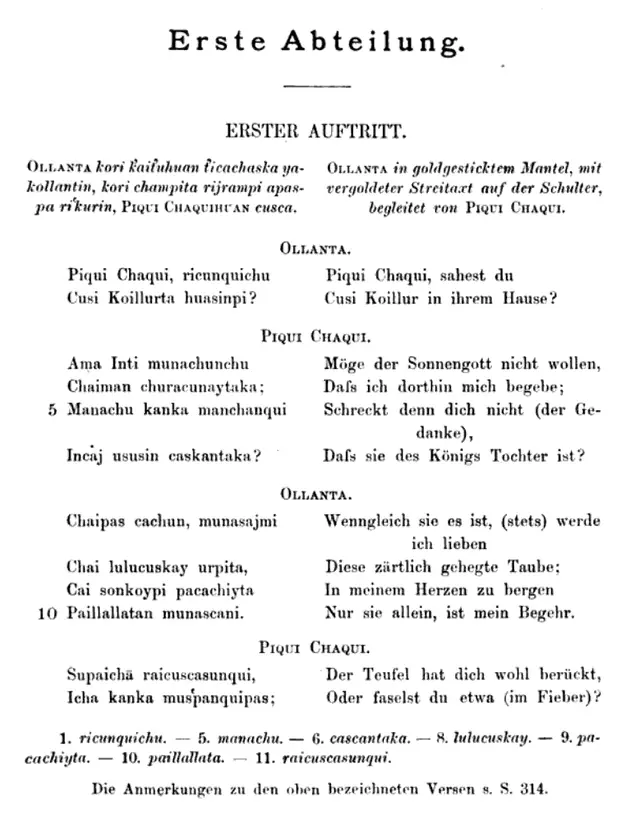
Ollantay & Cusi Coyllur
The Inca love with a happy ending
The common-born general Ollantay loves Cusi Coyllur ("Joyful Star"), daughter of emperor Pachacútec; rebuffed for not being royal, he rebels for a decade while she is imprisoned, until the new emperor pardons and reunites them.
Read the story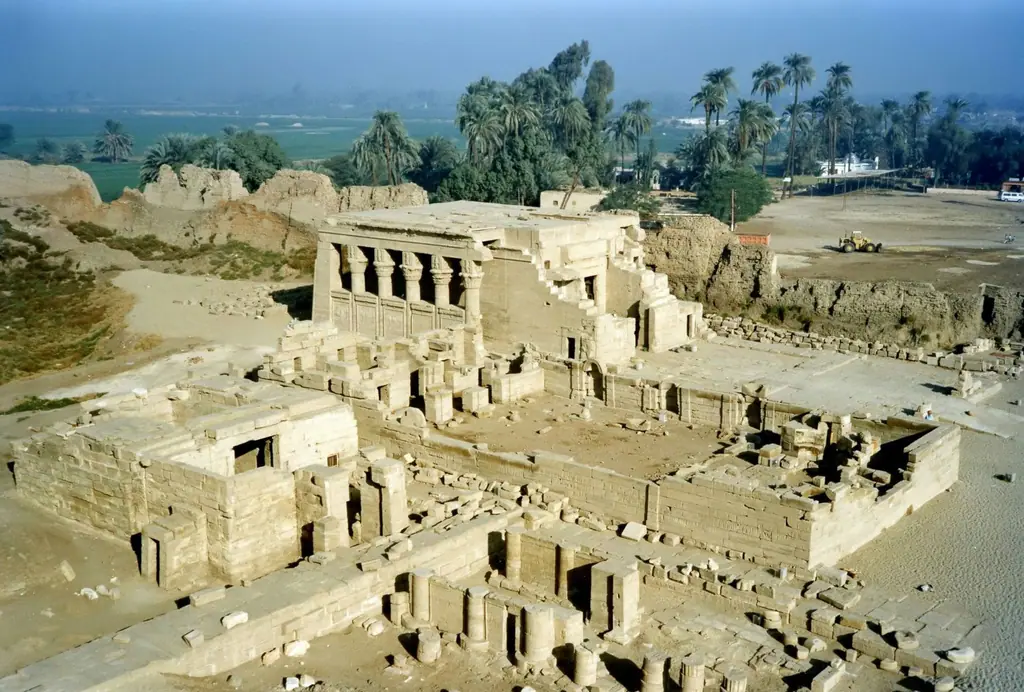
Zumbi & Dandara
They loved and fought for freedom
The leaders of Quilombo dos Palmares, the great refuge of self-liberated enslaved people in Brazil: warriors and lovers who resisted the slave empire side by side.
Read the story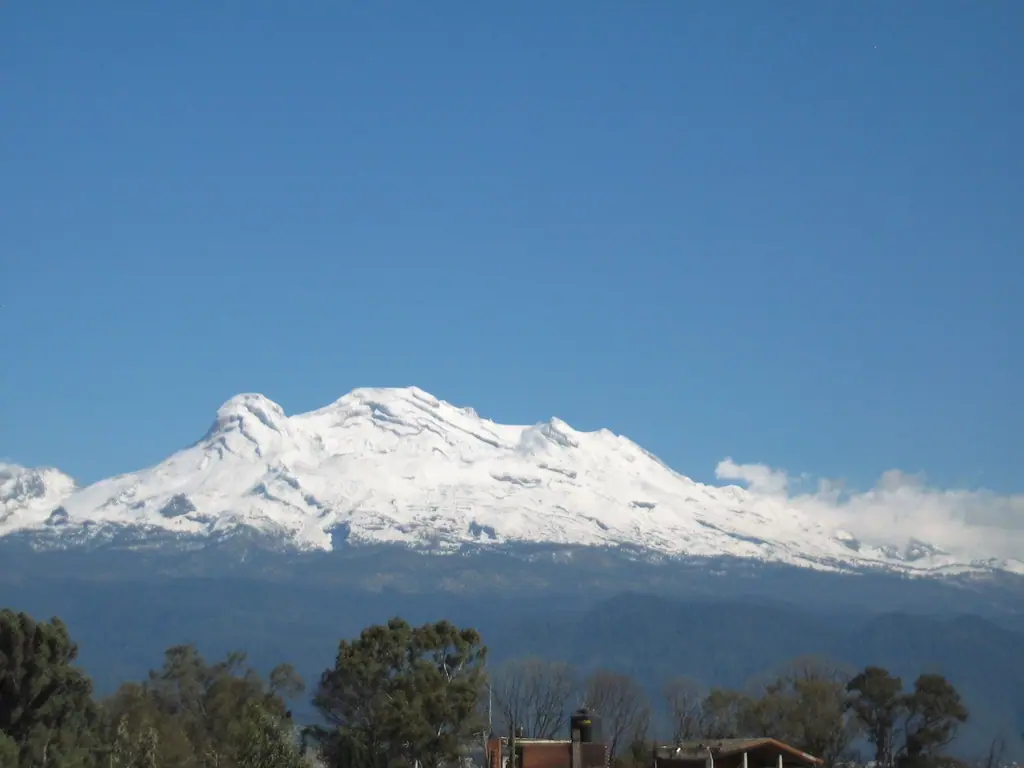
Popocatépetl & Iztaccíhuatl
The warrior who became a volcano
The warrior sent to war who receives a false report of his death; the princess dies of grief and he watches over her body forever. The two become Mexico's twin volcanoes.
Read the story