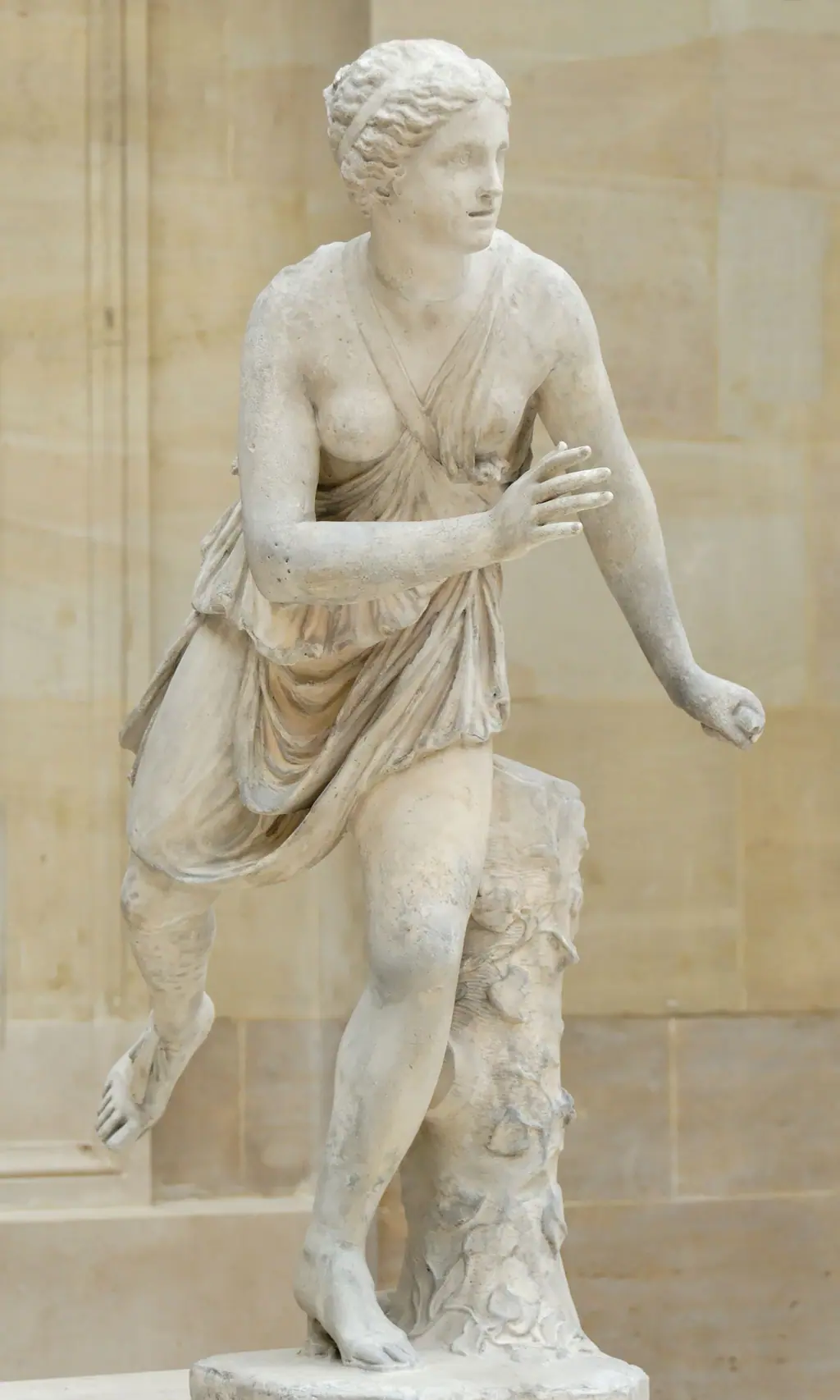
Atalanta & Hippomenes
He won her with three golden apples
The swift huntress Atalanta would marry only the man who beat her in a footrace; Hippomenes distracted her by dropping three golden apples from Aphrodite, winning her hand and her love.
01Why it matters
It is the myth of the free woman won by cleverness; it inspired paintings such as Guido Reni's.
02The conflict
The vow never to marry and the deadly race.
03The iconic moment
The golden apples rolling as Atalanta hesitates.
04What survived
The myth in the "Metamorphoses"; Guido Reni's "Atalanta."
05Frequently asked questions
Who were Atalanta & Hippomenes?
The swift huntress Atalanta would marry only the man who beat her in a footrace; Hippomenes distracted her by dropping three golden apples from Aphrodite, winning her hand and her love.
Why is the story of Atalanta & Hippomenes famous?
It is the myth of the free woman won by cleverness; it inspired paintings such as Guido Reni's.
How does the story of Atalanta & Hippomenes end?
The golden apples rolling as Atalanta hesitates. The myth in the "Metamorphoses"; Guido Reni's "Atalanta."
Is the story of Atalanta & Hippomenes real?
Yes, Atalanta & Hippomenes is based on real people and events.
Related loves
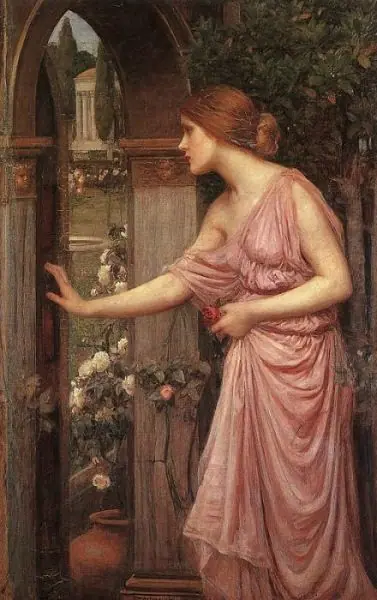
Eros & Psyche
The soul that won love itself
The mortal so beautiful she enraged Venus; her son Eros falls for her and visits only in darkness. When Psyche lights a lamp to see him, she loses him, and must pass impossible trials to win him back.
Read the story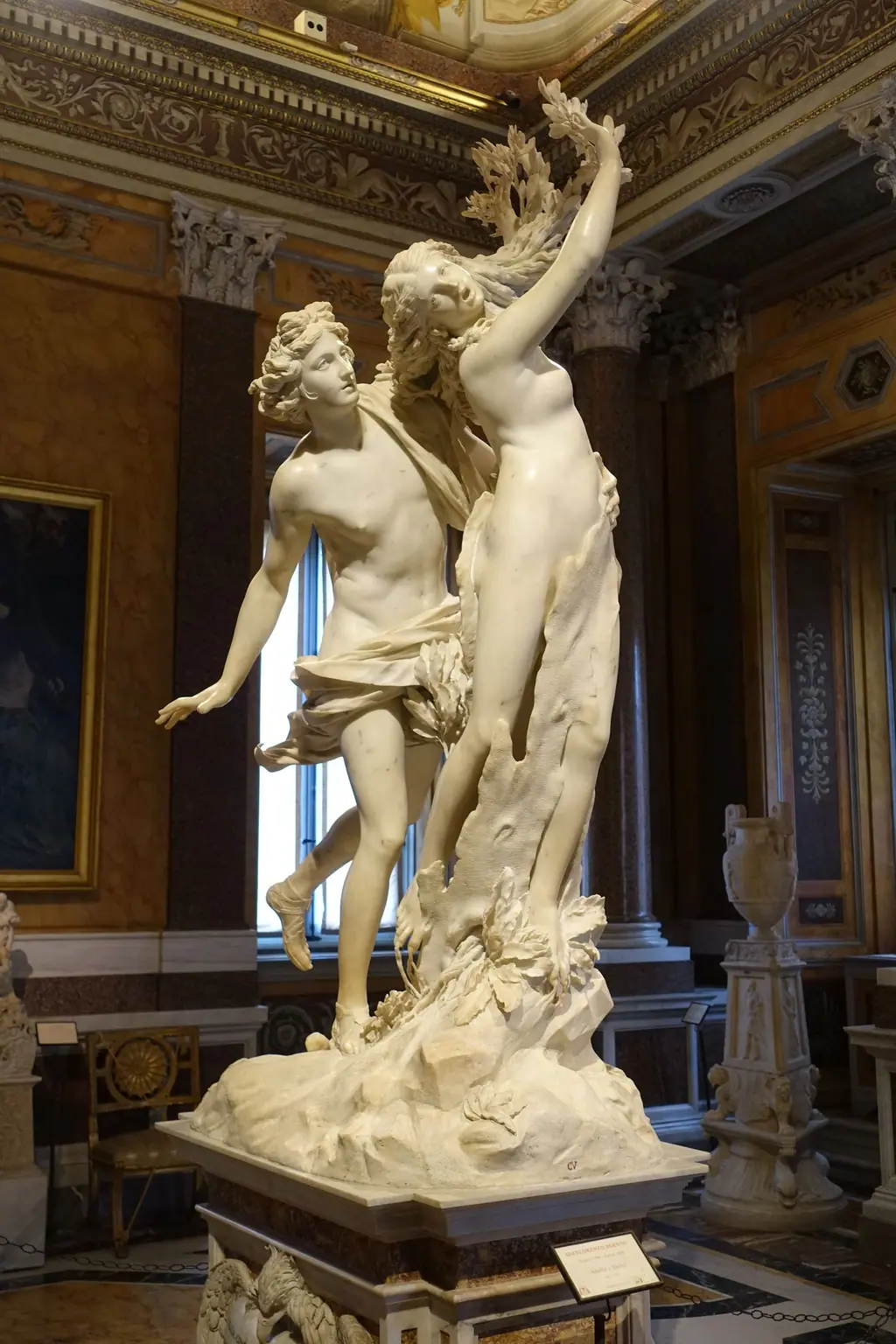
Apollo & Daphne
He chased a love that turned to laurel
Cursed by Eros, the god Apollo burns with desire for the nymph Daphne, who flees him; to save herself she begs her father, the river Peneus, and is turned into a laurel tree just as Apollo reaches her.
Read the story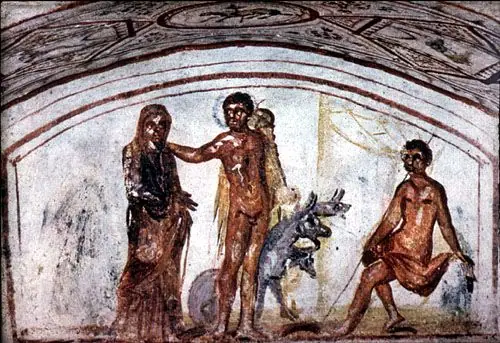
Alcestis & Admetus
She died so her husband could live
When the gods allow King Admetus to escape death if someone dies in his place, only his wife Alcestis offers herself; Heracles, moved, wrestles Death and brings her back to life.
Read the story