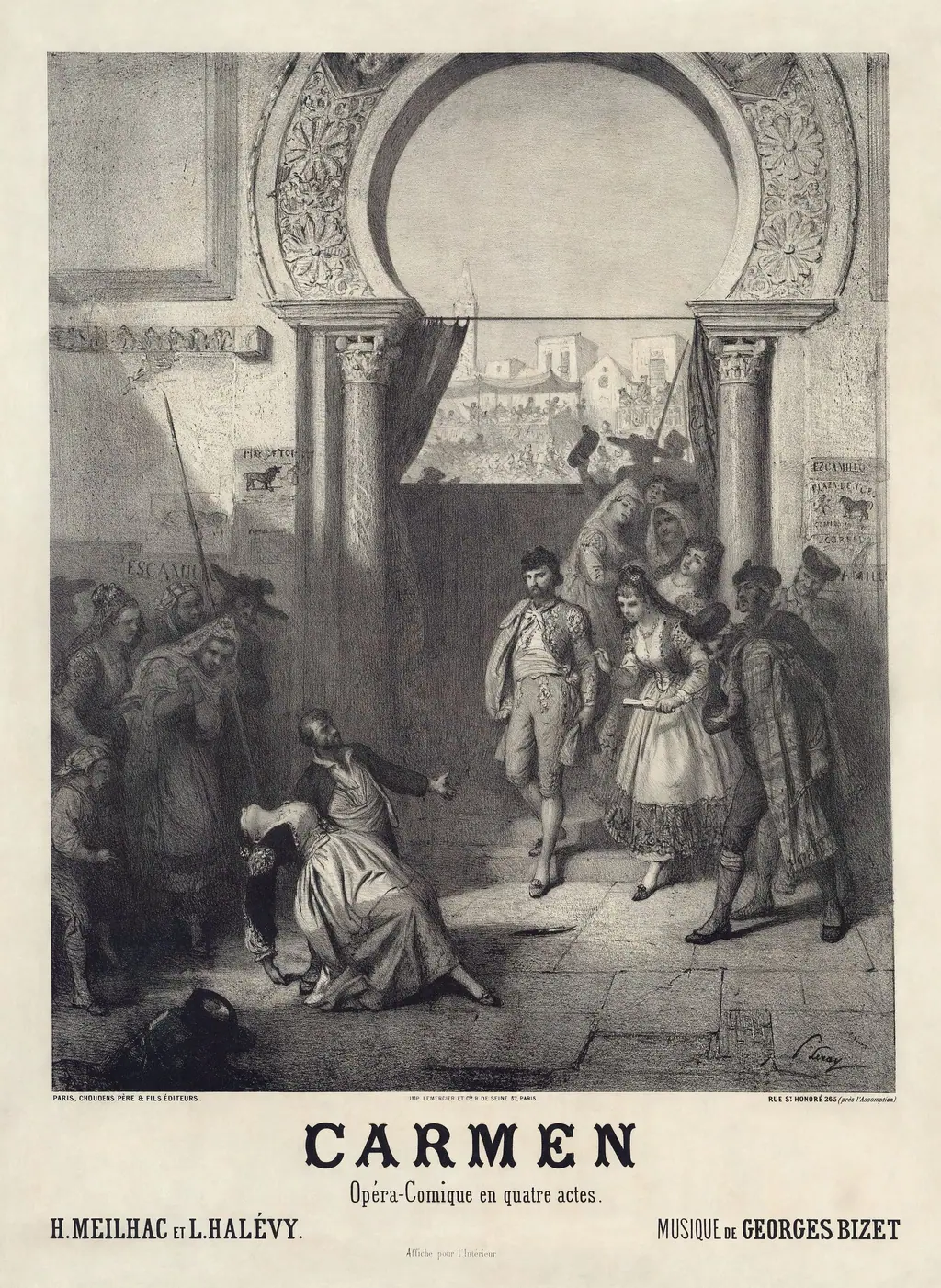
Carmen & Don José
Love is a rebellious bird
The free, fatal Roma cigarette-maker Carmen seduces the soldier Don José and drags him into desertion and crime; when she leaves him for the bullfighter Escamillo, José kills her rather than lose her.
01Why it matters
Bizet's opera is the most performed in the world; Carmen is the archetype of the free woman.
02The conflict
José's possessive jealousy against Carmen's freedom.
03The iconic moment
The "Habanera" and the final murder outside the bullring.
04What survived
Bizet's opera "Carmen"; the "Habanera."
05Frequently asked questions
Why is the story of Carmen & Don José famous?
Bizet's opera is the most performed in the world; Carmen is the archetype of the free woman.
How does the story of Carmen & Don José end?
The "Habanera" and the final murder outside the bullring. Bizet's opera "Carmen"; the "Habanera."
Related loves
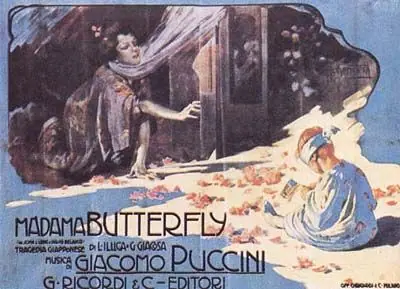
Cio-Cio-San & Pinkerton
She waited three years for a man who would not return
The young geisha Cio-Cio-San marries the American officer Pinkerton for love; he abandons her; she waits three years with their child, until he returns with his American wife and she takes her own life.
Read the story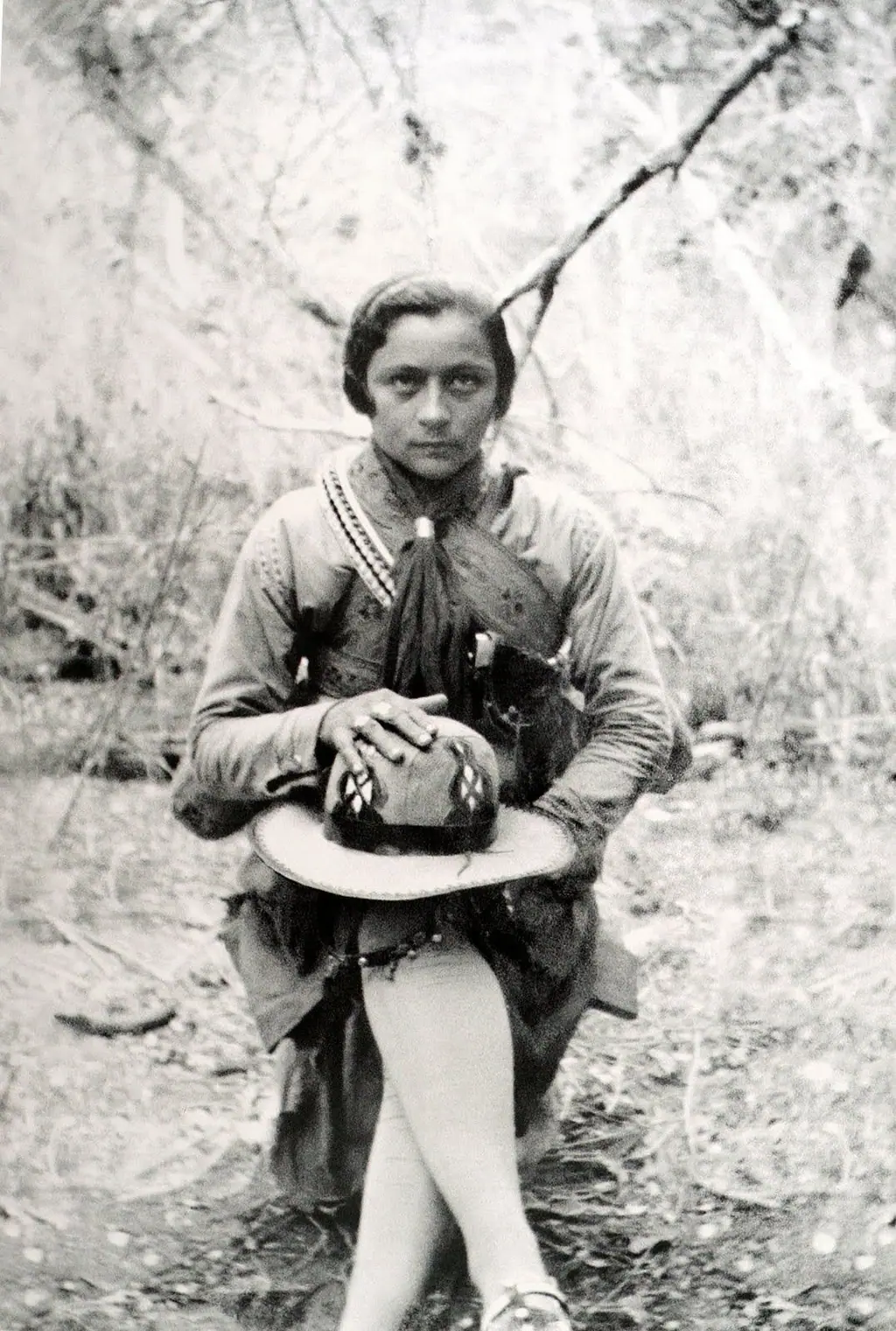
Maria Bonita & Lampião
The outlaw lovers of the sertão
Maria Bonita left her husband to follow Lampião, the "King of Cangaço," becoming the first woman of Brazil's northeastern banditry; they died together, ambushed, in 1938.
Read the story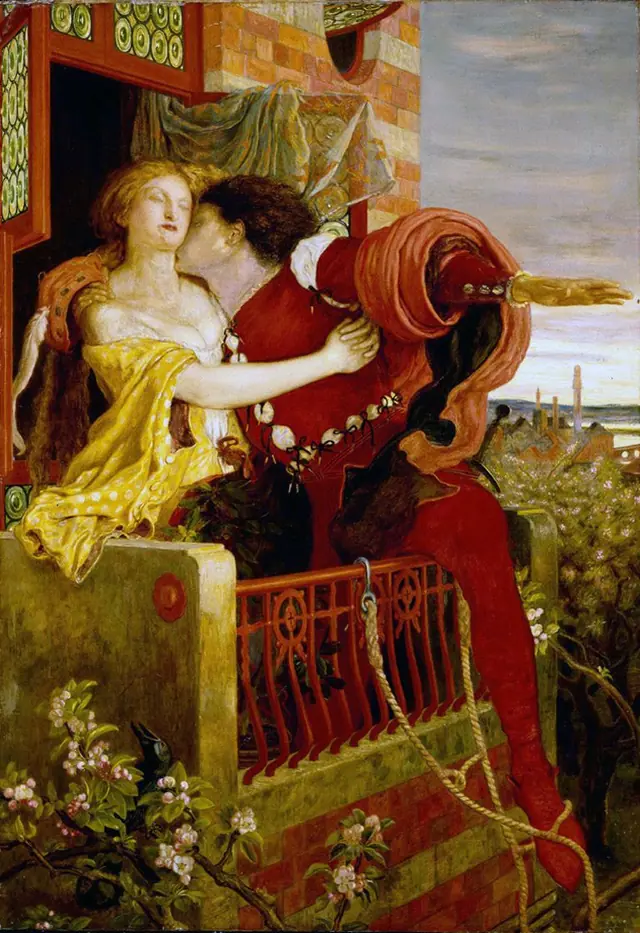
Romeo & Juliet
The universal archetype of forbidden love
The teenage lovers of two feuding families whose deaths became the universal archetype of forbidden love.
Read the story