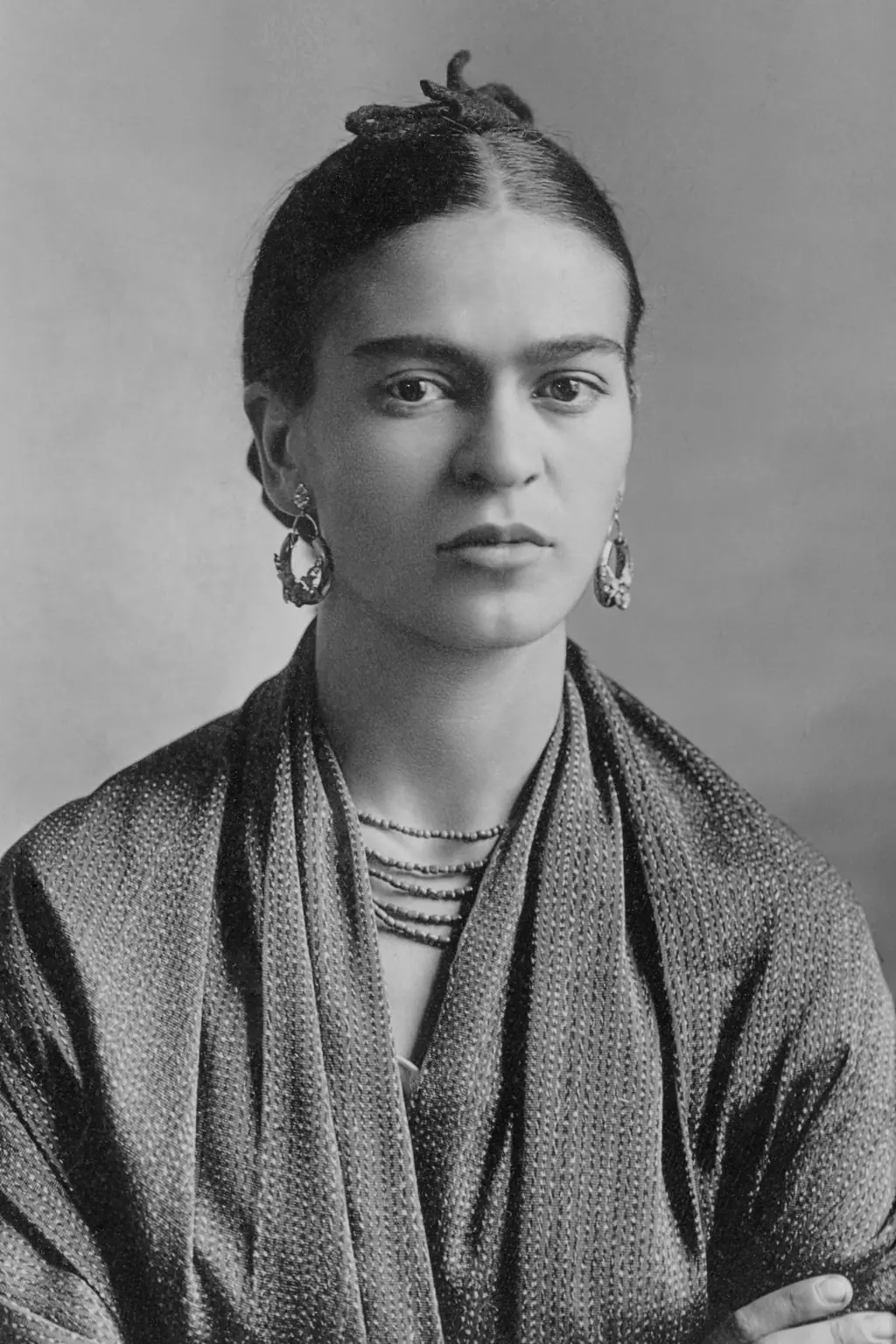
Frida Kahlo & Diego Rivera
The elephant and the dove
The two great artists of post-revolutionary Mexico, bound by art and politics and divided by infidelity, who loved and wounded each other until Frida's death.
01Why it matters
It is the most visited muse-love in Latin America. La Casa Azul is now a global pilgrimage and Frida a worldwide feminist icon.
02The conflict
Mutual infidelity (Diego with Frida's sister Cristina; Frida with men and women, including Trotsky) and her lifelong pain after her trolley accident.
03The iconic moment
Frida's line: she suffered two grave accidents in life, "the trolley and Diego."
04What survived
Her paintings; the film "Frida" (2002, Salma Hayek); La Casa Azul as a global shrine.
05What to watch, read & listen
06Where to travel
07Frequently asked questions
Why is the story of Frida Kahlo & Diego Rivera famous?
It is the most visited muse-love in Latin America. La Casa Azul is now a global pilgrimage and Frida a worldwide feminist icon.
How does the story of Frida Kahlo & Diego Rivera end?
Frida's line: she suffered two grave accidents in life, "the trolley and Diego." Her paintings; the film "Frida" (2002, Salma Hayek); La Casa Azul as a global shrine.
Where can you visit the story of Frida Kahlo & Diego Rivera?
You can visit La Casa Azul (Frida Kahlo Museum), in Coyoacán, CDMX. Her lifelong blue house.
Related loves
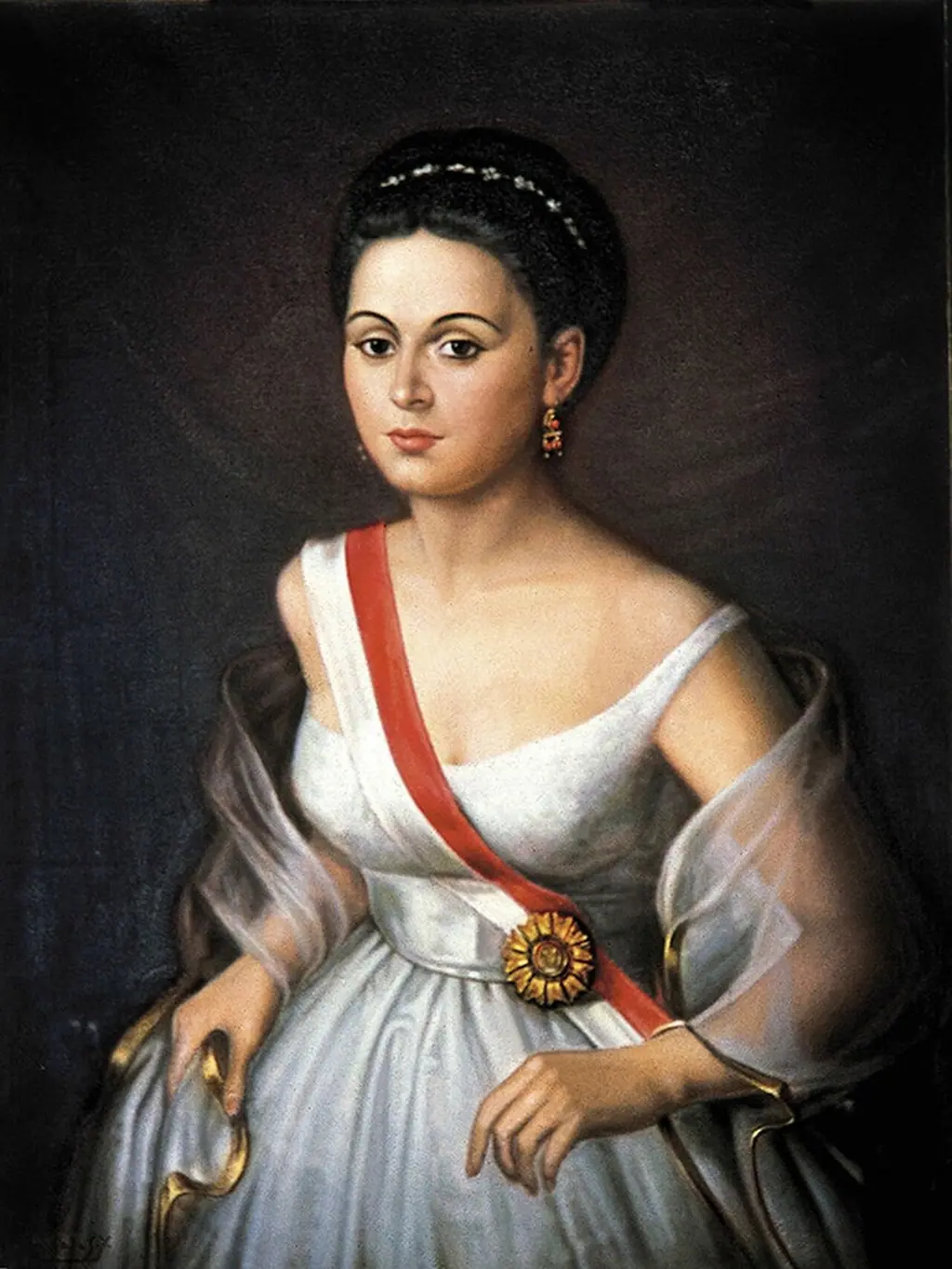
Simón Bolívar & Manuela Sáenz
The Liberator of the Liberator
The Quito-born revolutionary who left her husband to fight and love alongside the Liberator, saved his life in 1828, and earned the title "Liberator of the Liberator."
Read the story
Pablo Neruda & Matilde Urrutia
A hundred sonnets for a secret lover
The secret lover who became wife, nurse and guardian of the Nobel laureate's legacy, and the muse of "100 Love Sonnets" and "The Captain's Verses."
Read the story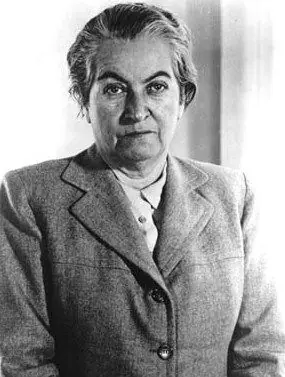
Gabriela Mistral & Doris Dana
The love the letters revealed
The Nobel laureate — the first Latin American woman to win it — and her American companion and translator; their love was revealed by the letters published as "Niña errante" (2010), shattering the myth of the lonely "Saint Gabriela."
Read the story