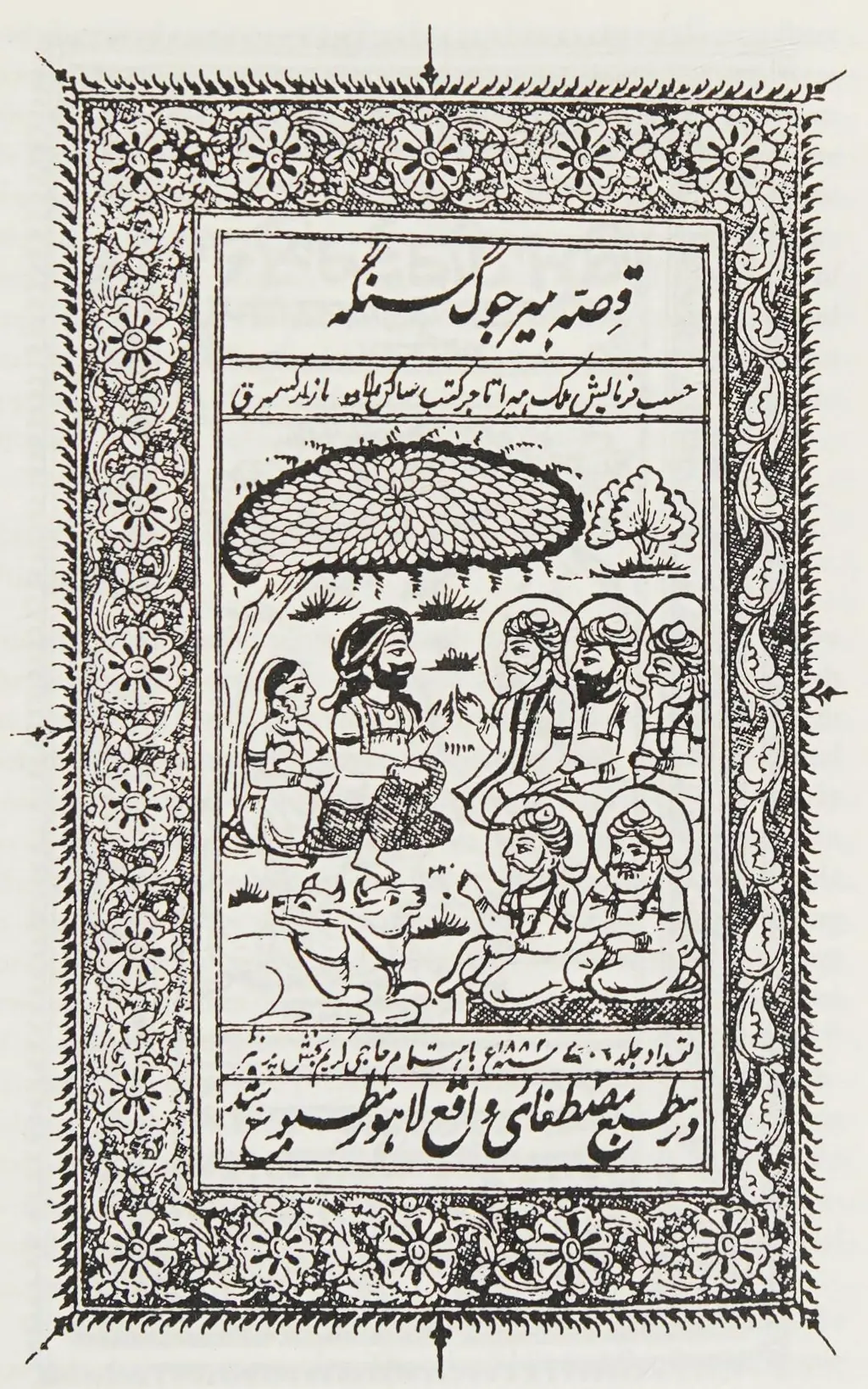
Heer & Ranjha
The Romeo and Juliet of Punjab
The flute-playing Ranjha and the beautiful Heer, parted by family and she married off by force; their defiant love is the great romantic tragedy of Punjab, sung by Sufi poets.
01Why it matters
It is one of Punjab's four great love tragedies and a symbol of Sufi love in South Asia.
02The conflict
Family opposition and Heer's forced marriage.
03The iconic moment
Heer's poisoning on the very day of her reunion with Ranjha.
04What survived
Waris Shah's poem "Heer" (1766); Punjabi cinema.
05Frequently asked questions
Why is the story of Heer & Ranjha famous?
It is one of Punjab's four great love tragedies and a symbol of Sufi love in South Asia.
How does the story of Heer & Ranjha end?
Heer's poisoning on the very day of her reunion with Ranjha. Waris Shah's poem "Heer" (1766); Punjabi cinema.
Related loves
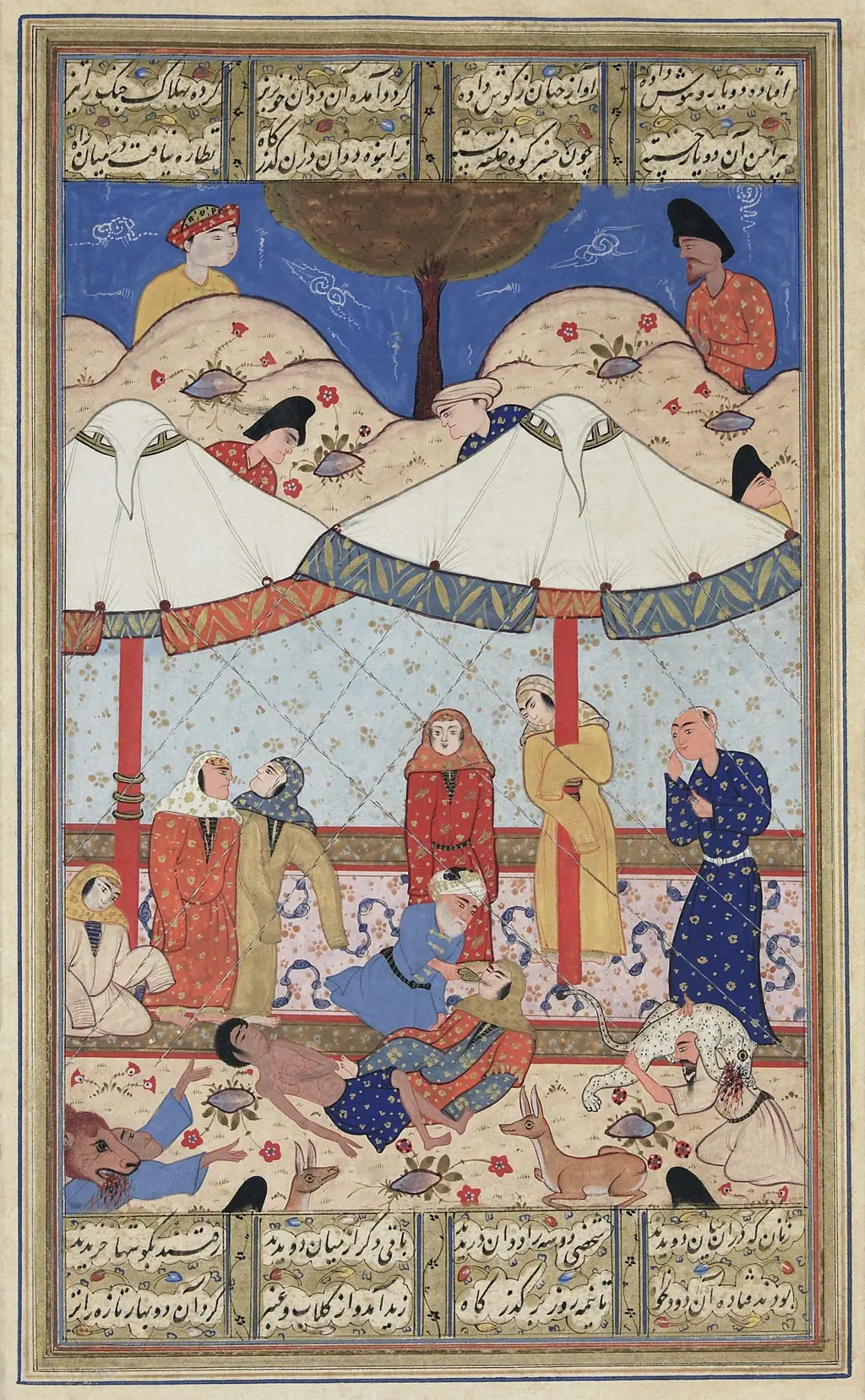
Layla & Majnun
The poet driven mad by love
The poet driven mad with love for Layla, married off to another by force; his longing became a Sufi allegory of the soul seeking God.
Read the story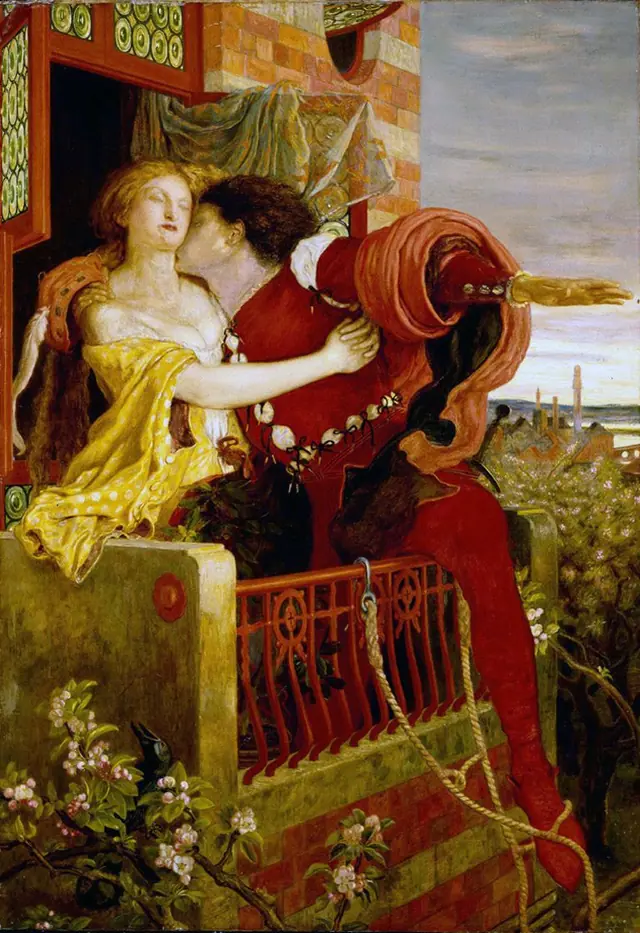
Romeo & Juliet
The universal archetype of forbidden love
The teenage lovers of two feuding families whose deaths became the universal archetype of forbidden love.
Read the story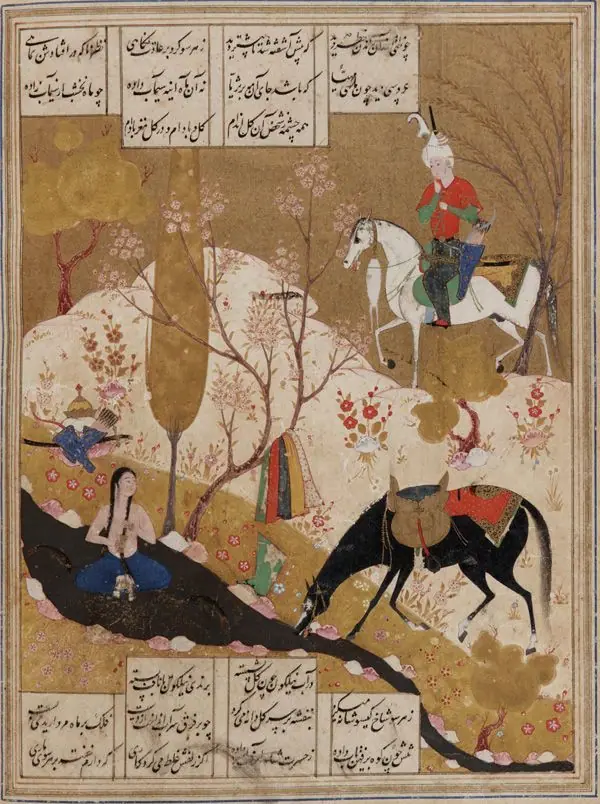
Khosrow & Shirin
Persia's most beloved royal romance
The Persian king Khosrow and the Armenian princess Shirin, whose long, turbulent love — with the sculptor Farhad as a tragic third point — Nizami made one of the great poems of the East.
Read the story