Richard & Mildred Loving
Their surname legalized interracial love
Richard, white, and Mildred, Black and Indigenous, married despite the Virginia law that forbade it; arrested in their bed, they took their case to the Supreme Court, which in 1967 legalized interracial marriage across the United States.
01Why it matters
The case "Loving v. Virginia" struck down anti-miscegenation laws; their surname — "loving" — became a symbol.
02The conflict
Racist laws and banishment from their own state.
03The iconic moment
Mildred writing to Robert Kennedy to ask to come home.
04What survived
The 1967 ruling; the "Loving Day" celebrated every June.
05Frequently asked questions
Why is the story of Richard & Mildred Loving famous?
The case "Loving v. Virginia" struck down anti-miscegenation laws; their surname — "loving" — became a symbol.
How does the story of Richard & Mildred Loving end?
Mildred writing to Robert Kennedy to ask to come home. The 1967 ruling; the "Loving Day" celebrated every June.
Related loves
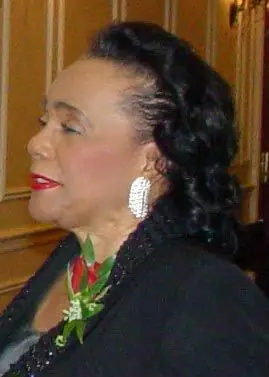
Martin Luther King Jr. & Coretta Scott King
Partners in the dream
The civil-rights leader and Coretta Scott, singer and activist: a partnership of love and struggle. After Martin's 1968 assassination, she devoted her life to guarding his legacy.
Read the story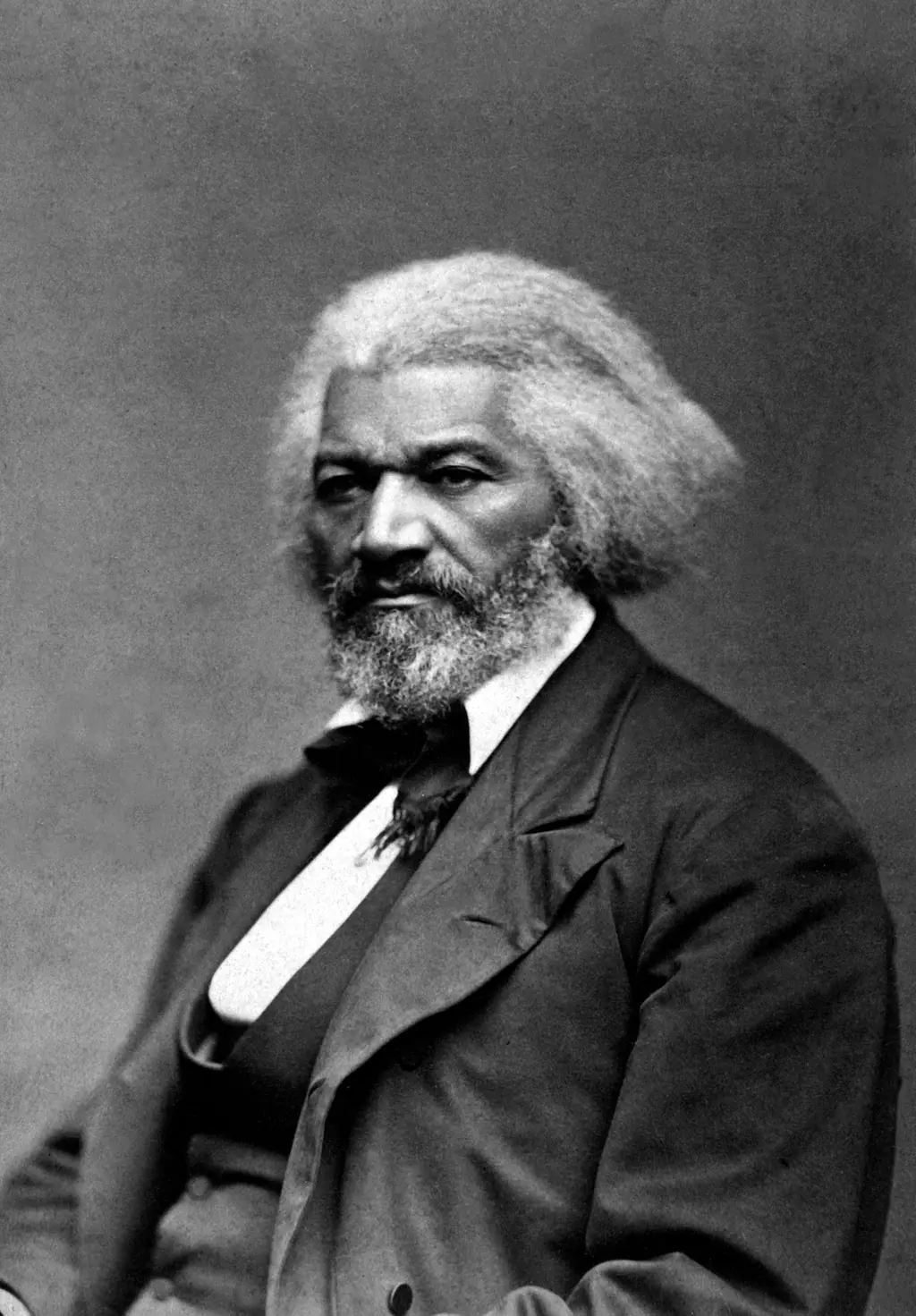
Frederick Douglass & Anna Murray
She funded the escape that freed a leader
Anna Murray, a free Black woman, helped fund and plan Frederick Douglass's escape from slavery; married 44 years, she kept the household while he became America's great abolitionist.
Read the story
Selena & Chris Pérez
Amor prohibido, the Tejano anthem
The Queen of Tejano and her band's guitarist defied her father Abraham's disapproval and eloped on April 2, 1992; she was murdered on March 31, 1995, at 23.
Read the story