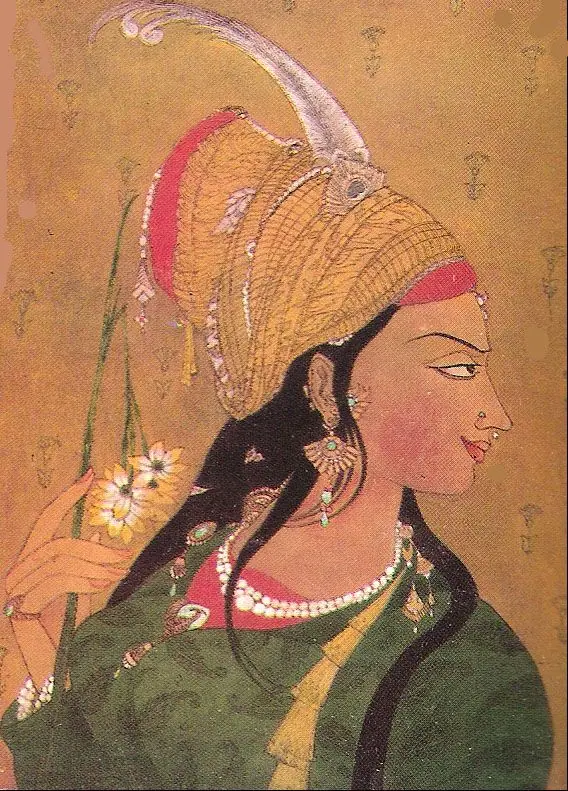
Anarkali & Prince Salim
Entombed alive for loving a prince
The courtesan Anarkali and Prince Salim, heir to Emperor Akbar; legend says that when the emperor forbade their love, Anarkali was entombed alive for defying the throne.
01Why it matters
The legend inspired "Mughal-e-Azam" (1960), one of the most celebrated films in Indian cinema.
02The conflict
Akbar's imperial power against his heir's love.
03The iconic moment
The song "Pyar Kiya To Darna Kya" in the hall of mirrors.
04What survived
"Mughal-e-Azam"; the supposed tomb of Anarkali in Lahore.
05Frequently asked questions
Why is the story of Anarkali & Prince Salim famous?
The legend inspired "Mughal-e-Azam" (1960), one of the most celebrated films in Indian cinema.
How does the story of Anarkali & Prince Salim end?
The song "Pyar Kiya To Darna Kya" in the hall of mirrors. "Mughal-e-Azam"; the supposed tomb of Anarkali in Lahore.
Related loves

Shah Jahan & Mumtaz Mahal
Eternal love carved in marble
The Mughal emperor who, when his favorite wife died bearing their fourteenth child, built the Taj Mahal as her tomb and the grandest declaration of eternal love ever raised.
Read the story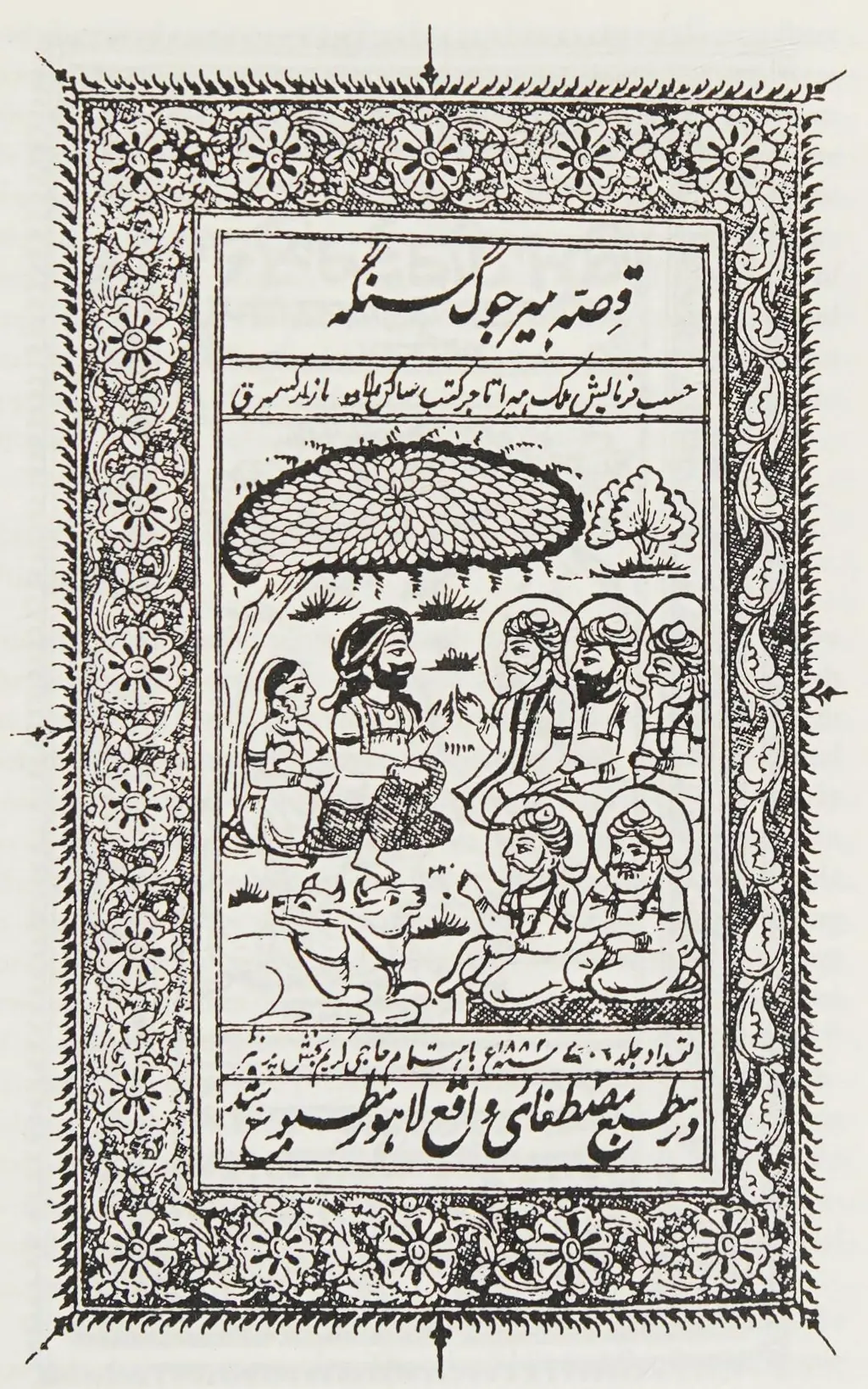
Heer & Ranjha
The Romeo and Juliet of Punjab
The flute-playing Ranjha and the beautiful Heer, parted by family and she married off by force; their defiant love is the great romantic tragedy of Punjab, sung by Sufi poets.
Read the story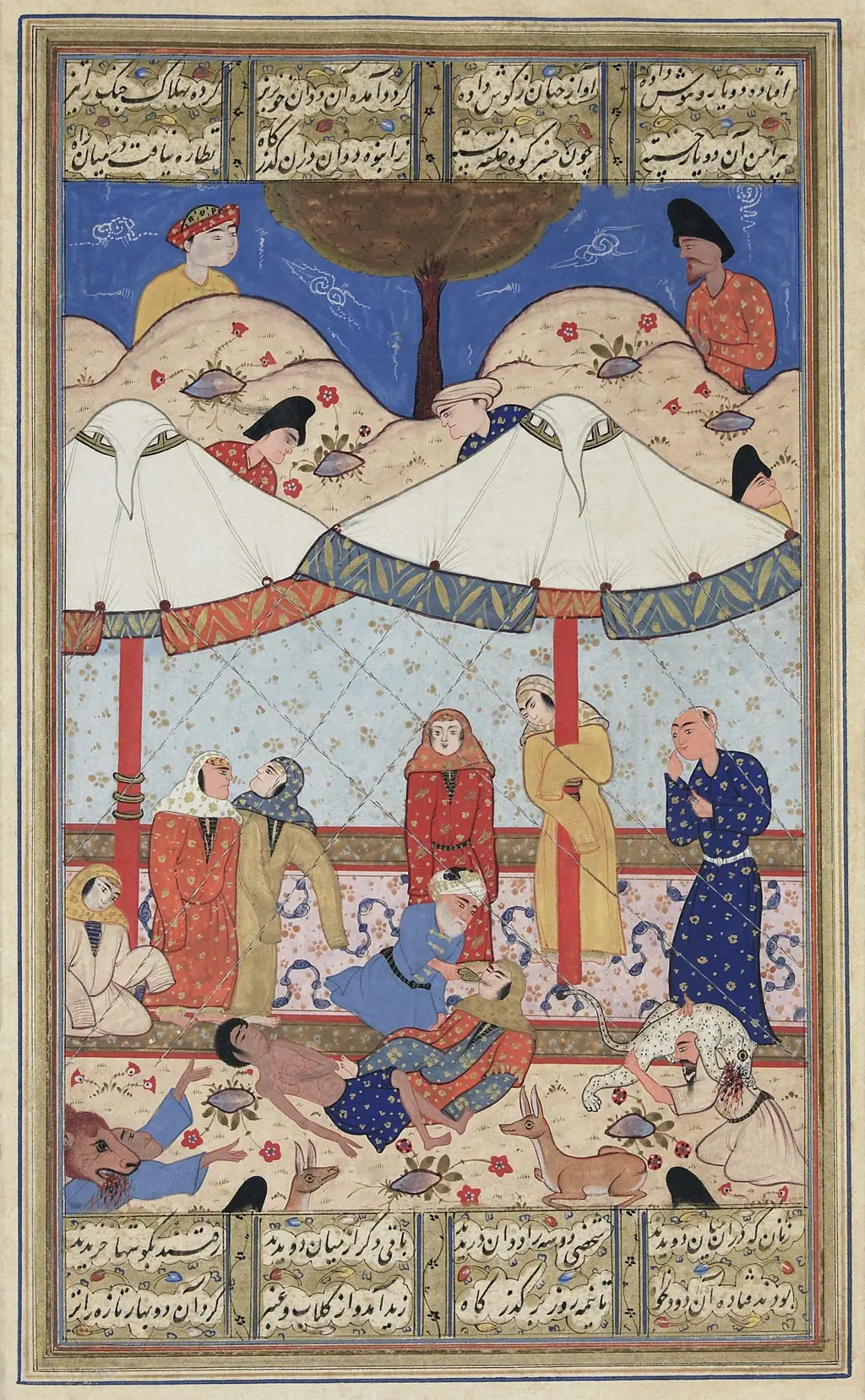
Layla & Majnun
The poet driven mad by love
The poet driven mad with love for Layla, married off to another by force; his longing became a Sufi allegory of the soul seeking God.
Read the story