Cartola & Dona Zica
The samba reborn by love
The great poet of samba, founder of the Mangueira school, and Eusébia "Dona Zica," the cook who had loved him since youth: they reunited as mature widowers, and she pulled him out of obscurity and drink to give him back his song.
01Why it matters
It is the Afro-Brazilian love story that saved samba: without Dona Zica there would be no "second Cartola," author of "O Sol Nascerá" and "As Rosas Não Falam." Their home, Zicartola, became the cradle where all Brazilian popular music gathered.
02The conflict
In their youth they could not love each other: Zica was engaged, and breaking off a courtship dishonored a woman. Decades later, poverty, illness and Cartola's alcoholism threatened to extinguish him entirely.
03The iconic moment
Cartola composing "O Sol Nascerá (A Sorrir)" — "pain is inevitable, but I will smile" — and "Nós Dois," the samba he wrote for his 1964 wedding to Zica.
04What survived
The entire songbook of Cartola's late flowering; the Zicartola restaurant as a founding myth of modern samba; Dona Zica as the eternal matriarch of Mangueira.
05What to watch, read & listen
06Where to travel
07Frequently asked questions
Why is the story of Cartola & Dona Zica famous?
It is the Afro-Brazilian love story that saved samba: without Dona Zica there would be no "second Cartola," author of "O Sol Nascerá" and "As Rosas Não Falam." Their home, Zicartola, became the cradle where all Brazilian popular music gathered.
How does the story of Cartola & Dona Zica end?
Cartola composing "O Sol Nascerá (A Sorrir)" — "pain is inevitable, but I will smile" — and "Nós Dois," the samba he wrote for his 1964 wedding to Zica. The entire songbook of Cartola's late flowering; the Zicartola restaurant as a founding myth of modern samba; Dona Zica as the eternal matriarch of Mangueira.
Where can you visit the story of Cartola & Dona Zica?
You can visit Mangueira Hill, in Río de Janeiro. The favela and samba school that were their world.
Related loves
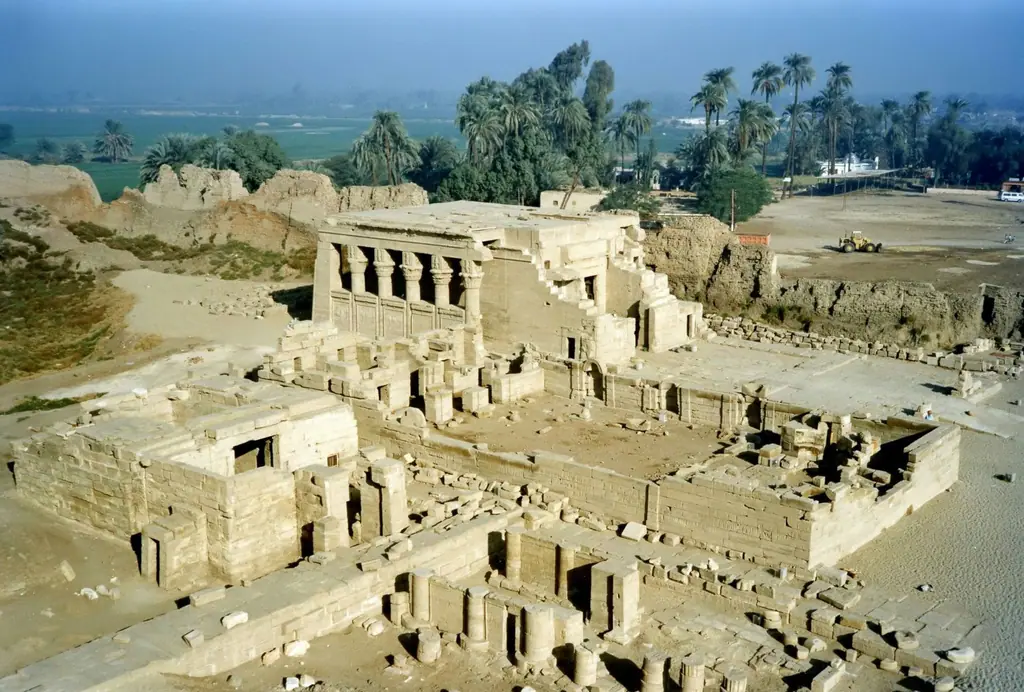
Zumbi & Dandara
They loved and fought for freedom
The leaders of Quilombo dos Palmares, the great refuge of self-liberated enslaved people in Brazil: warriors and lovers who resisted the slave empire side by side.
Read the story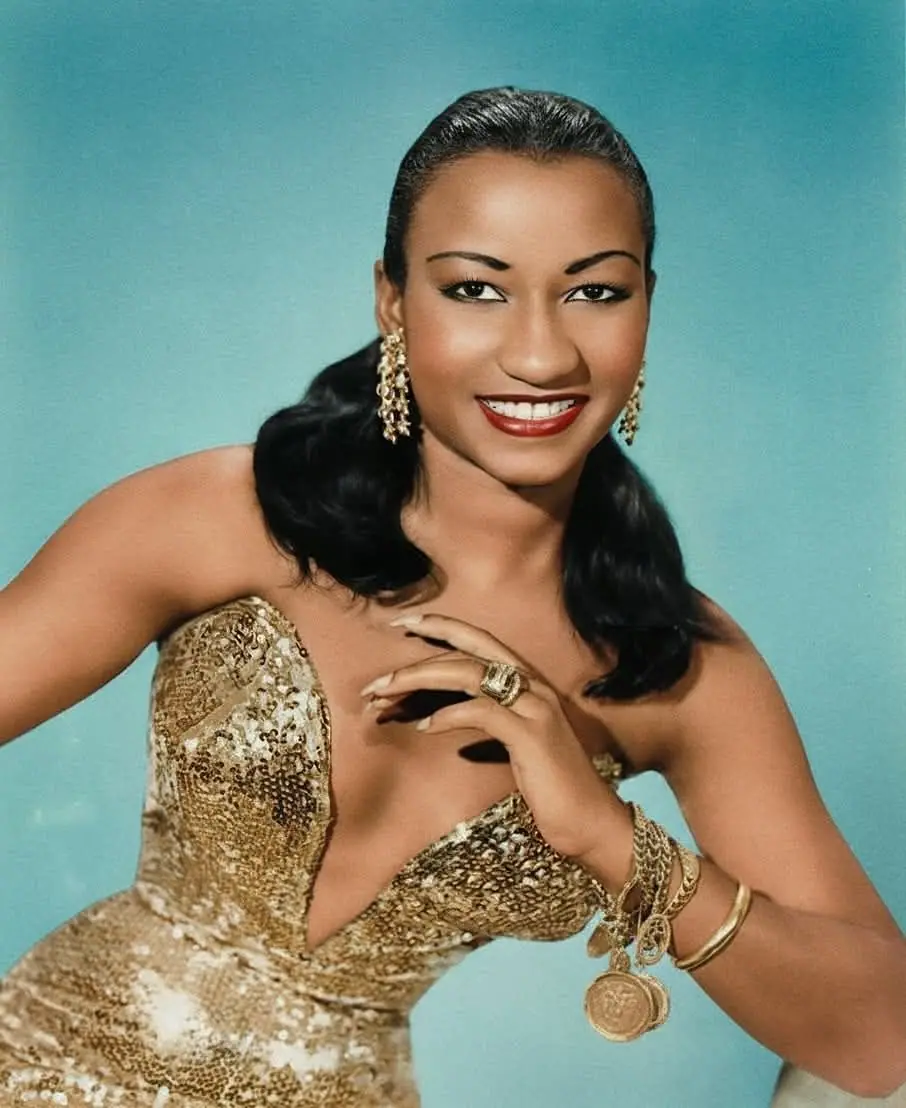
Celia Cruz & Pedro Knight
"Mi negro lindo": 41 years of sugar
The Queen of Salsa and her trumpeter Pedro Knight, married 41 years until her death; he gave up his career to be her director, manager and protector — her "negro lindo."
Read the story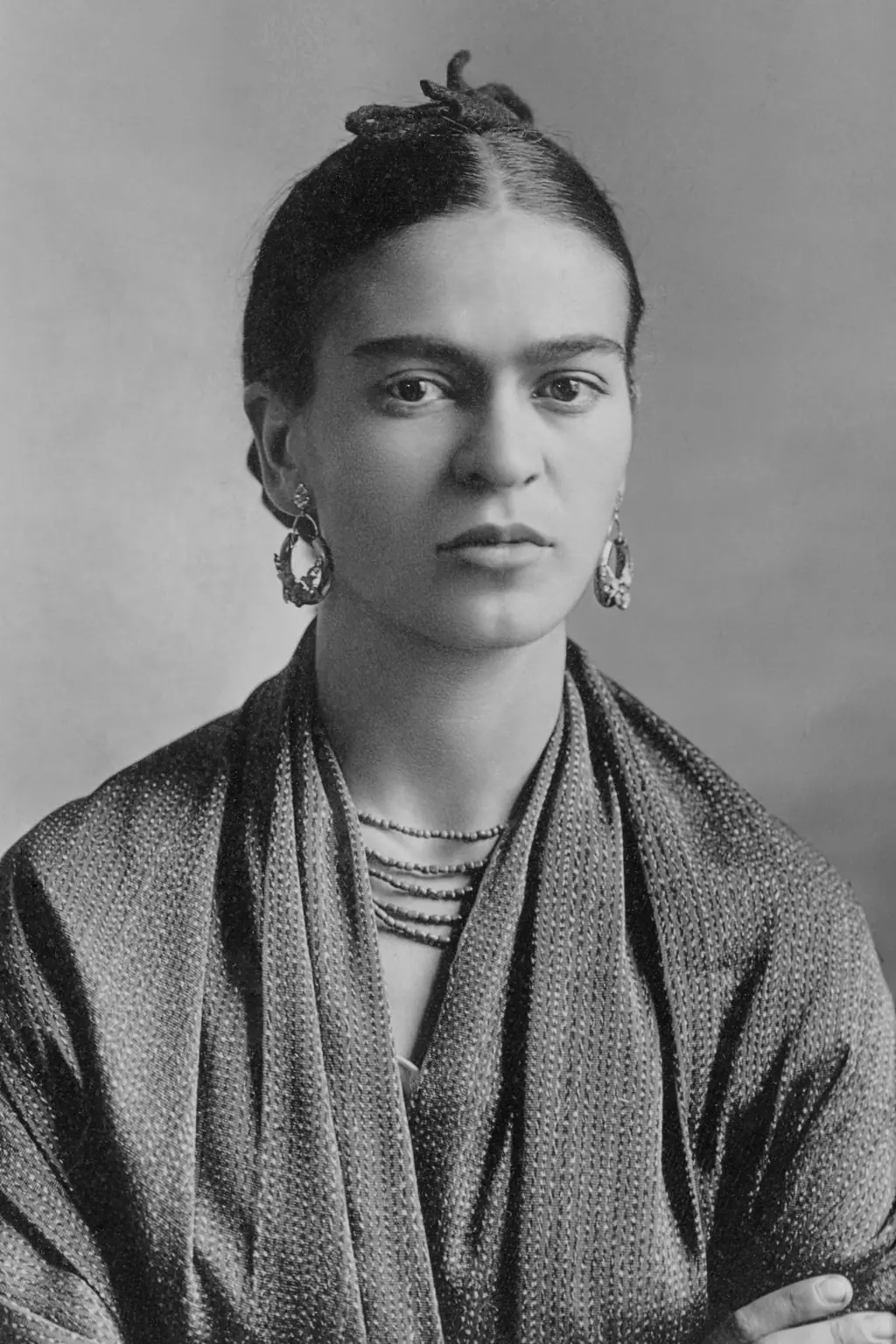
Frida Kahlo & Diego Rivera
The elephant and the dove
The two great artists of post-revolutionary Mexico, bound by art and politics and divided by infidelity, who loved and wounded each other until Frida's death.
Read the story