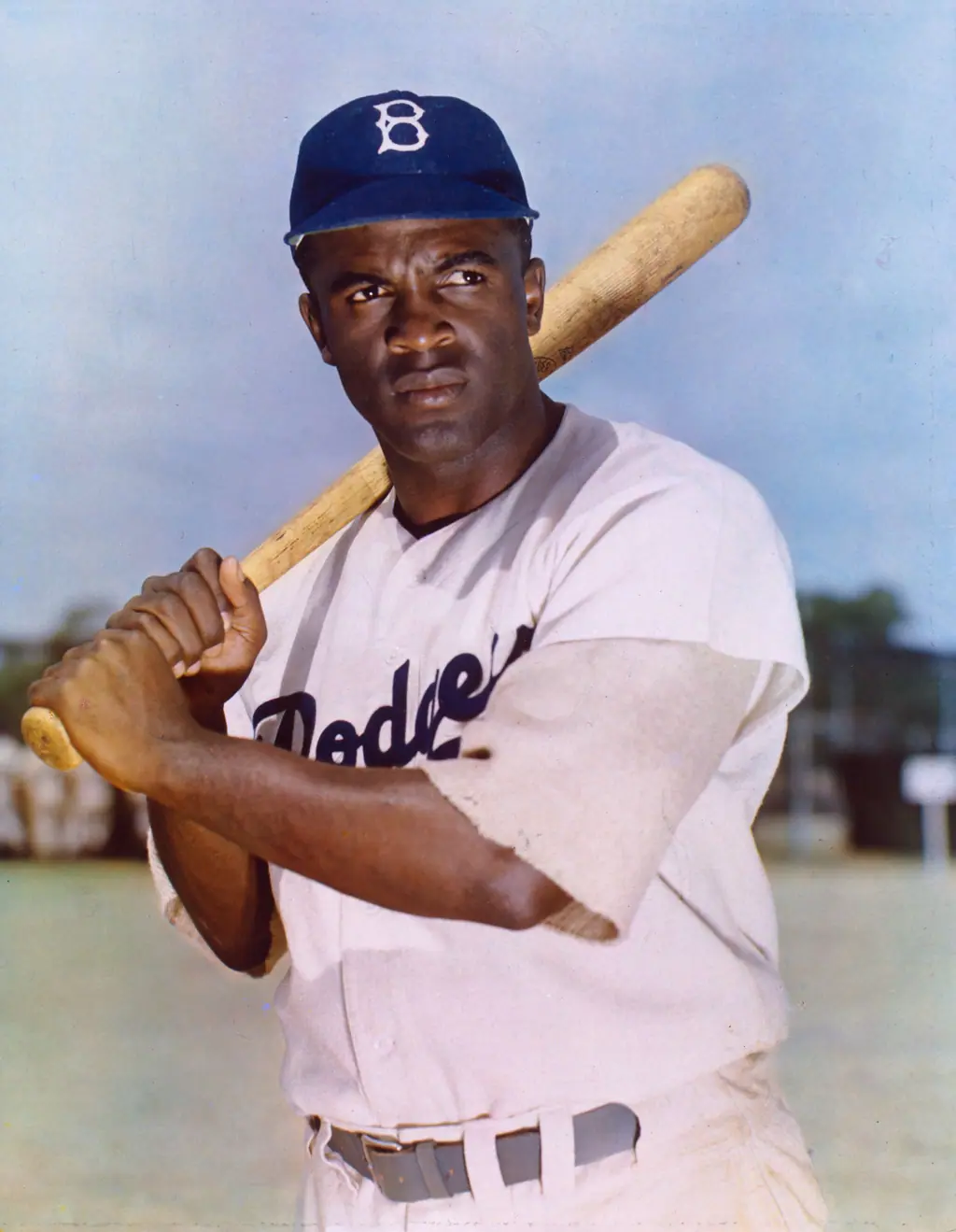
Jackie & Rachel Robinson
The love that steadied the man who broke the barrier
Jackie Robinson, the first Black player in Major League Baseball, and Rachel, his wife and anchor, who faced the racist hatred of the stadiums beside him so he could change the history of sport.
01Why it matters
Behind the integration of baseball was a marriage that withstood the threats together; Rachel keeps his legacy to this day.
02The conflict
The racism of the stands and the historic pressure on Jackie.
03The iconic moment
Rachel in the stands at every game of Jackie's 1947 debut.
04What survived
The number 42, retired across baseball; the Jackie Robinson Foundation.
05Frequently asked questions
Who were Jackie & Rachel Robinson?
Jackie Robinson, the first Black player in Major League Baseball, and Rachel, his wife and anchor, who faced the racist hatred of the stadiums beside him so he could change the history of sport.
Why is the story of Jackie & Rachel Robinson famous?
Behind the integration of baseball was a marriage that withstood the threats together; Rachel keeps his legacy to this day.
How does the story of Jackie & Rachel Robinson end?
Rachel in the stands at every game of Jackie's 1947 debut. The number 42, retired across baseball; the Jackie Robinson Foundation.
Is the story of Jackie & Rachel Robinson real?
Yes, Jackie & Rachel Robinson is based on real people and events.
Related loves
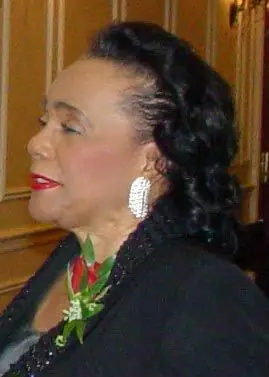
Martin Luther King Jr. & Coretta Scott King
Partners in the dream
The civil-rights leader and Coretta Scott, singer and activist: a partnership of love and struggle. After Martin's 1968 assassination, she devoted her life to guarding his legacy.
Read the story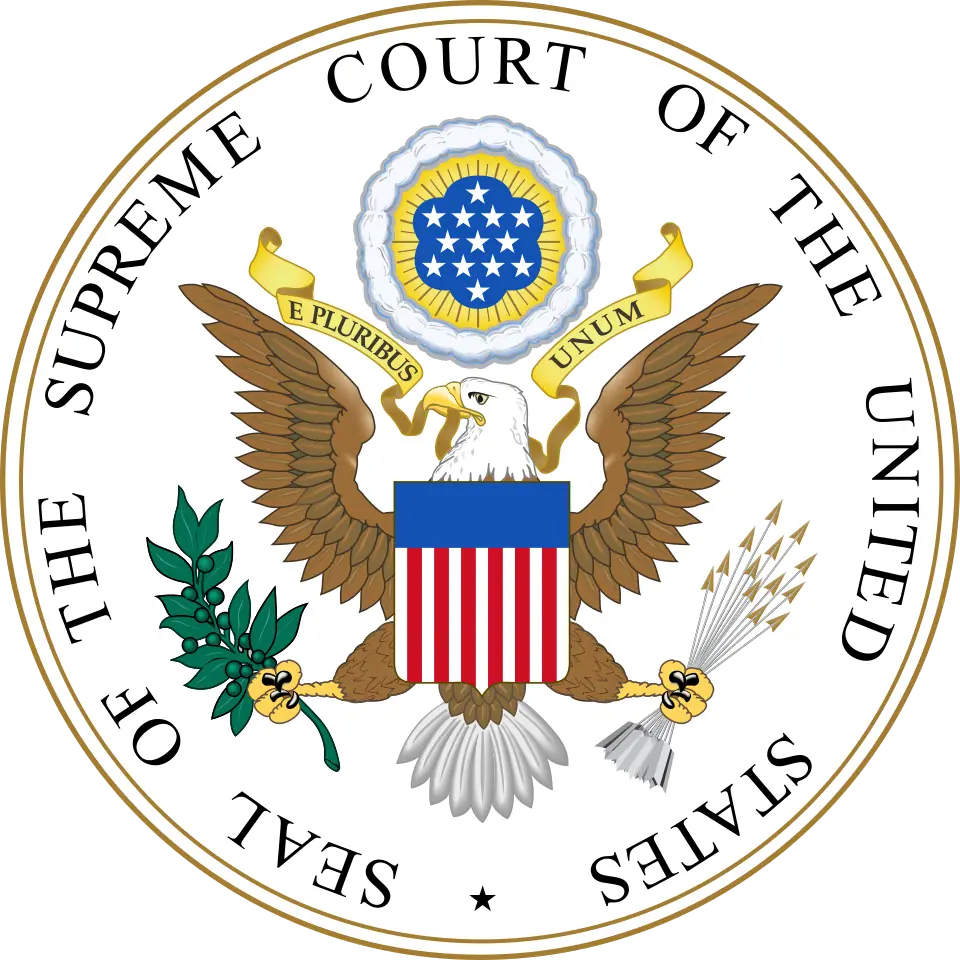
Richard & Mildred Loving
Their surname legalized interracial love
Richard, white, and Mildred, Black and Indigenous, married despite the Virginia law that forbade it; arrested in their bed, they took their case to the Supreme Court, which in 1967 legalized interracial marriage across the United States.
Read the story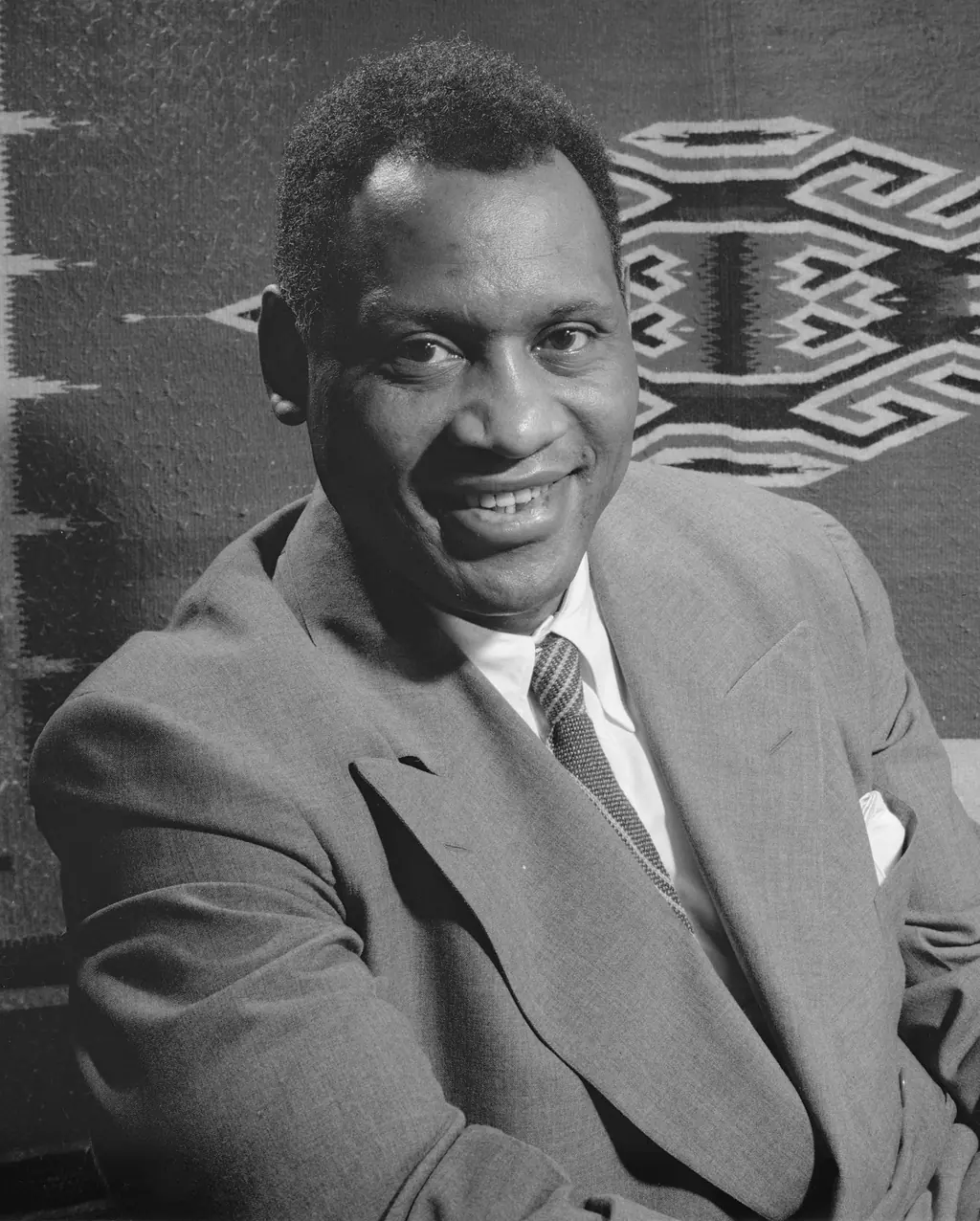
Paul & Eslanda Robeson
Voice and strategist of the Black cause
The singer-activist Paul Robeson and the anthropologist Eslanda "Essie" Robeson, who managed his career and was, in her own right, a writer and Pan-African campaigner through the McCarthy era.
Read the story