Pocahontas & John Rolfe
A marriage between two colliding worlds
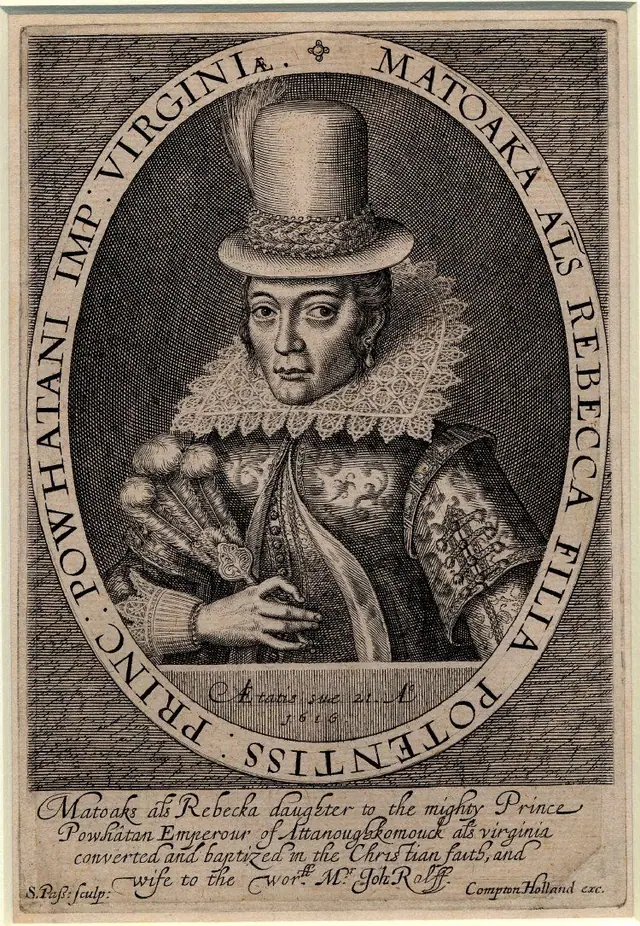
Matoaka, "Pocahontas," daughter of the Powhatan chief, captured by the colonists and married to the tobacco planter John Rolfe; taken to England as a symbol, she died there at 21 without returning home.
01Why it matters
Their story, far more tragic than the Disney myth, marks the first contact between England and the Indigenous peoples of North America.
02The conflict
Capture, colonization and cultural uprooting.
03The iconic moment
Pocahontas presented at the court of James I as a "princess."
04What survived
Her 1616 engraved portrait; her grave in Gravesend, England.
05Frequently asked questions
Why is the story of Pocahontas & John Rolfe famous?
Their story, far more tragic than the Disney myth, marks the first contact between England and the Indigenous peoples of North America.
How does the story of Pocahontas & John Rolfe end?
Pocahontas presented at the court of James I as a "princess." Her 1616 engraved portrait; her grave in Gravesend, England.
Related loves
Anacaona & Caonabo
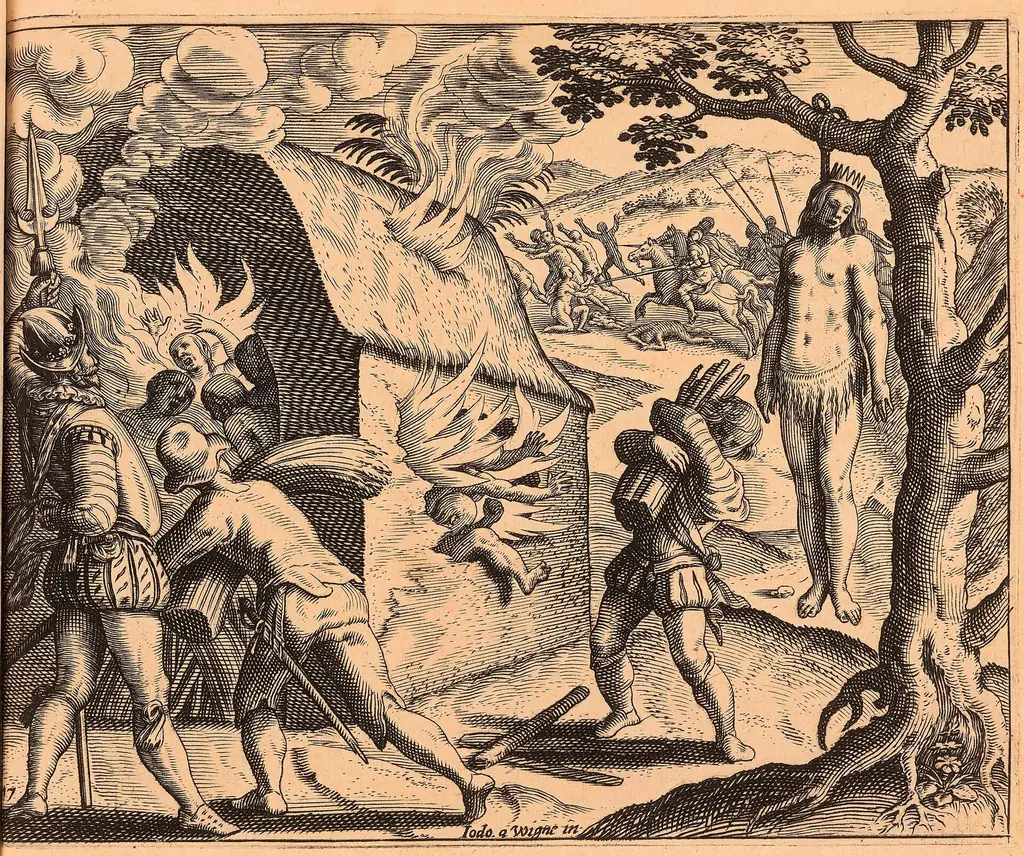
The poet-cacica and the last Taíno warrior
The cacica of Xaragua, famed for her areítos and her beauty, and the chief of Maguana who led the first Taíno rebellion against the Spanish: two sovereigns of Quisqueya joined in love and resistance, both destroyed by the conquest.
Read the story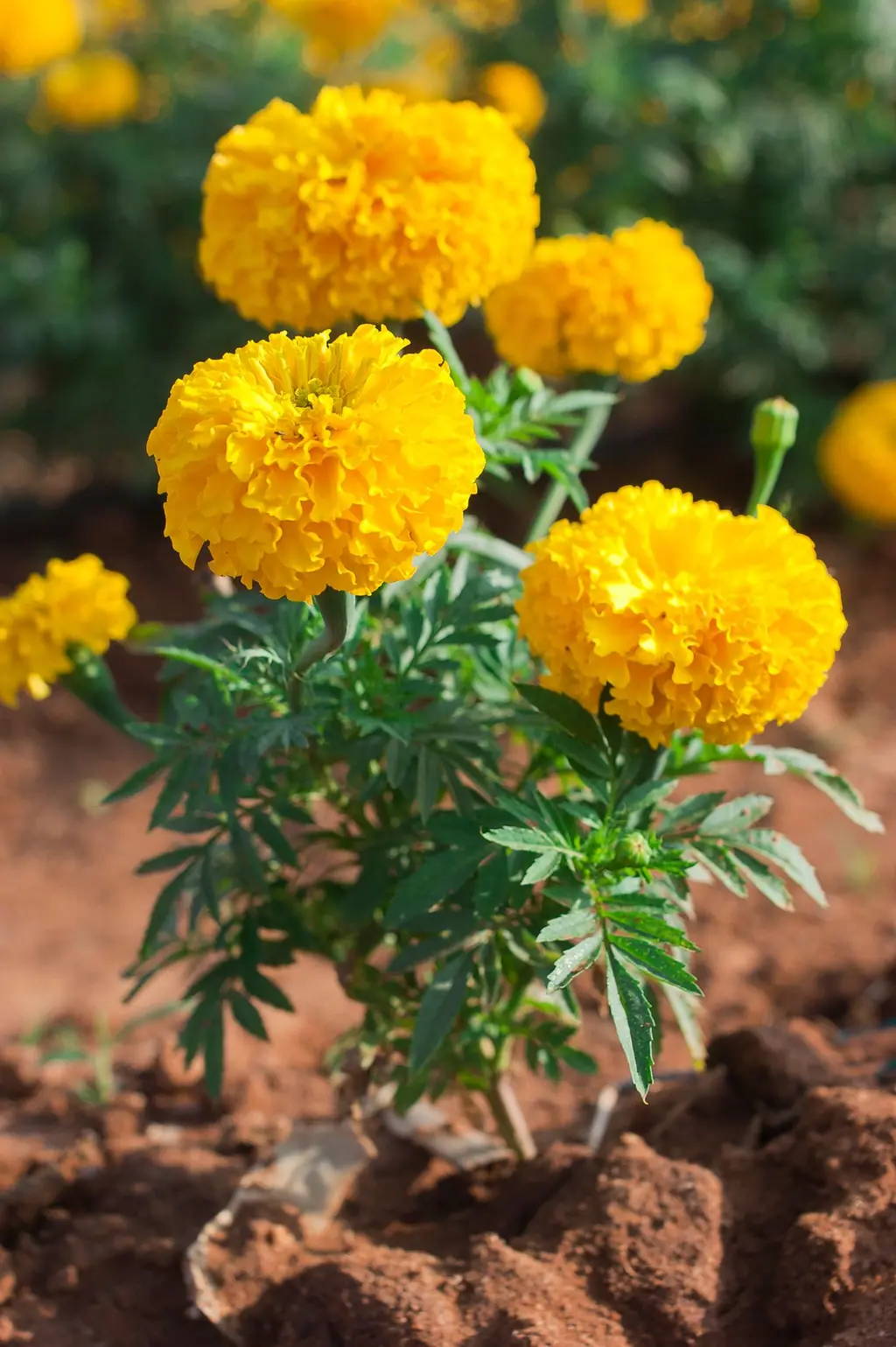
Xóchitl & Huitzilin
The legend of the flower of the dead
Two young lovers who swear eternal love before the sun; when Huitzilin dies in war, Xóchitl asks the god Tonatiuh to reunite them, and the two are reborn as the cempasúchil, the marigold that guides the dead.
Read the story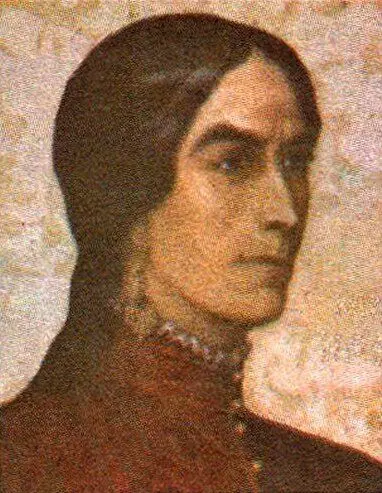
Micaela Bastidas & Túpac Amaru II
The strategist of the great Andean rebellion
Micaela Bastidas, wife and military strategist of Túpac Amaru II, led with him the greatest Indigenous rebellion against Spanish rule; they were executed together in the plaza of Cusco in 1781.
Read the story