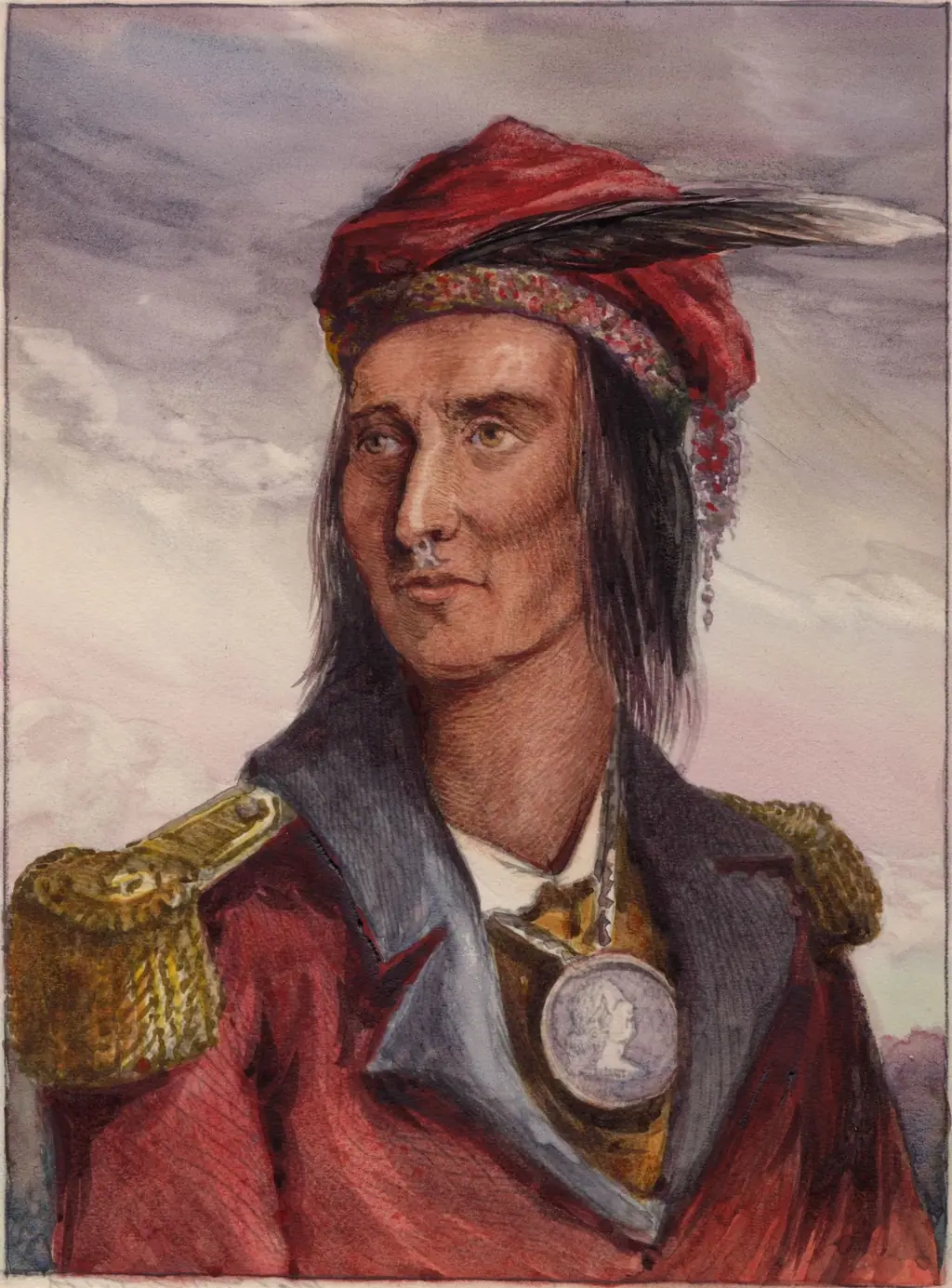
Tecumseh & Rebecca Galloway
The Shawnee chief and the settler girl
According to tradition, the great Shawnee leader Tecumseh, who dreamed of an Indigenous confederacy, loved Rebecca Galloway, a settler's daughter who taught him to read; she reportedly agreed to marry if he lived as a white man, and he chose his people.
01Why it matters
It embodies the impossible clash of two worlds on the American frontier; Tecumseh died fighting for his land in 1813.
02The conflict
The choice between love and the fight for his people.
03The iconic moment
Tecumseh refusing to give up his people for the marriage.
04What survived
The legend of Tecumseh; his name across towns and history.
05Frequently asked questions
Who were Tecumseh & Rebecca Galloway?
According to tradition, the great Shawnee leader Tecumseh, who dreamed of an Indigenous confederacy, loved Rebecca Galloway, a settler's daughter who taught him to read; she reportedly agreed to marry if he lived as a white man, and he chose his people.
Why is the story of Tecumseh & Rebecca Galloway famous?
It embodies the impossible clash of two worlds on the American frontier; Tecumseh died fighting for his land in 1813.
How does the story of Tecumseh & Rebecca Galloway end?
Tecumseh refusing to give up his people for the marriage. The legend of Tecumseh; his name across towns and history.
Is the story of Tecumseh & Rebecca Galloway real?
Yes, Tecumseh & Rebecca Galloway is based on real people and events. The romance comes from the Galloway family's oral tradition and is not fully documented.
Related loves
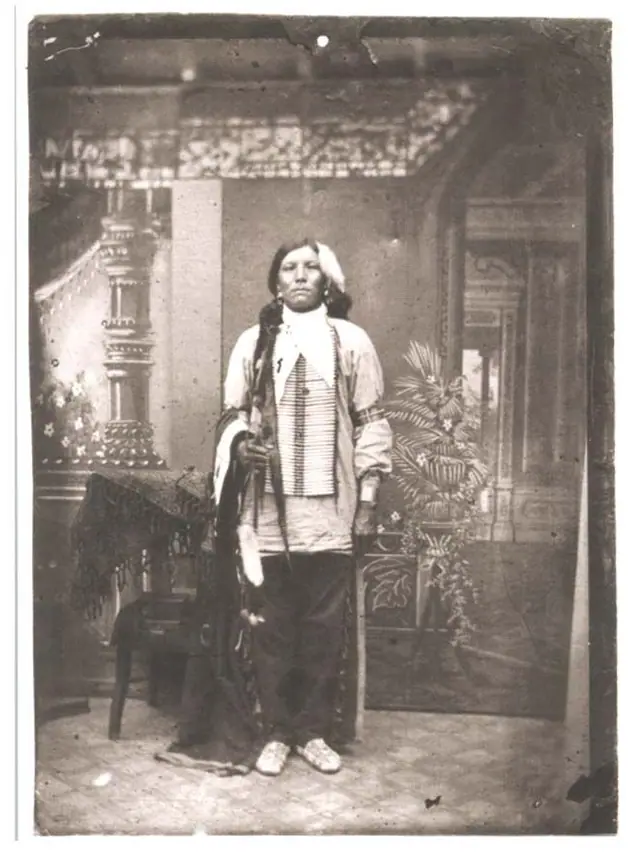
Crazy Horse & Black Buffalo Woman
The forbidden love of the great Lakota chief
The Lakota warrior Crazy Horse loved Black Buffalo Woman, already married to another man; when he fled with her, the husband wounded him in the face, and the scandal cost him his rank among his people.
Read the story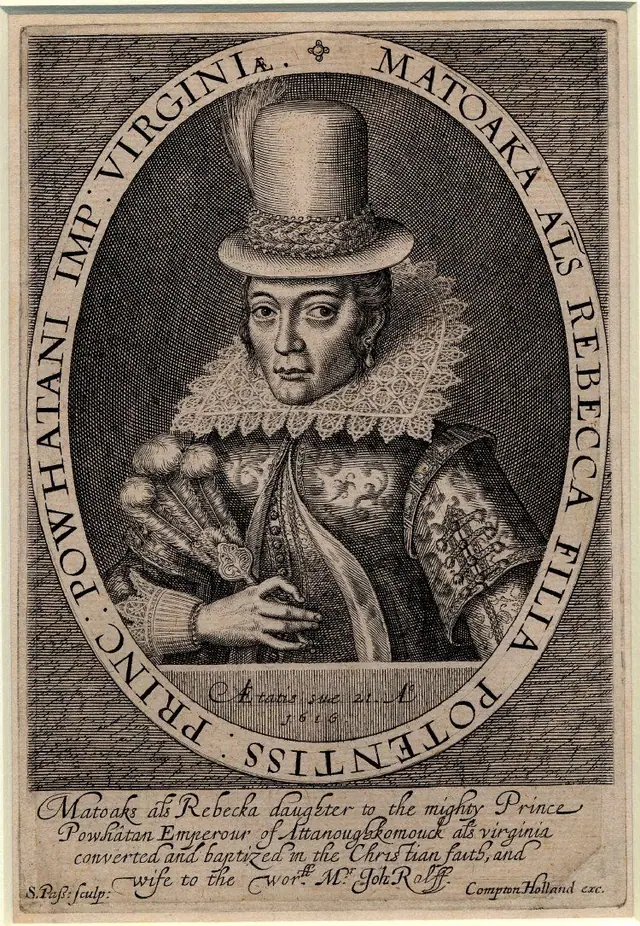
Pocahontas & John Rolfe
A marriage between two colliding worlds
Matoaka, "Pocahontas," daughter of the Powhatan chief, captured by the colonists and married to the tobacco planter John Rolfe; taken to England as a symbol, she died there at 21 without returning home.
Read the story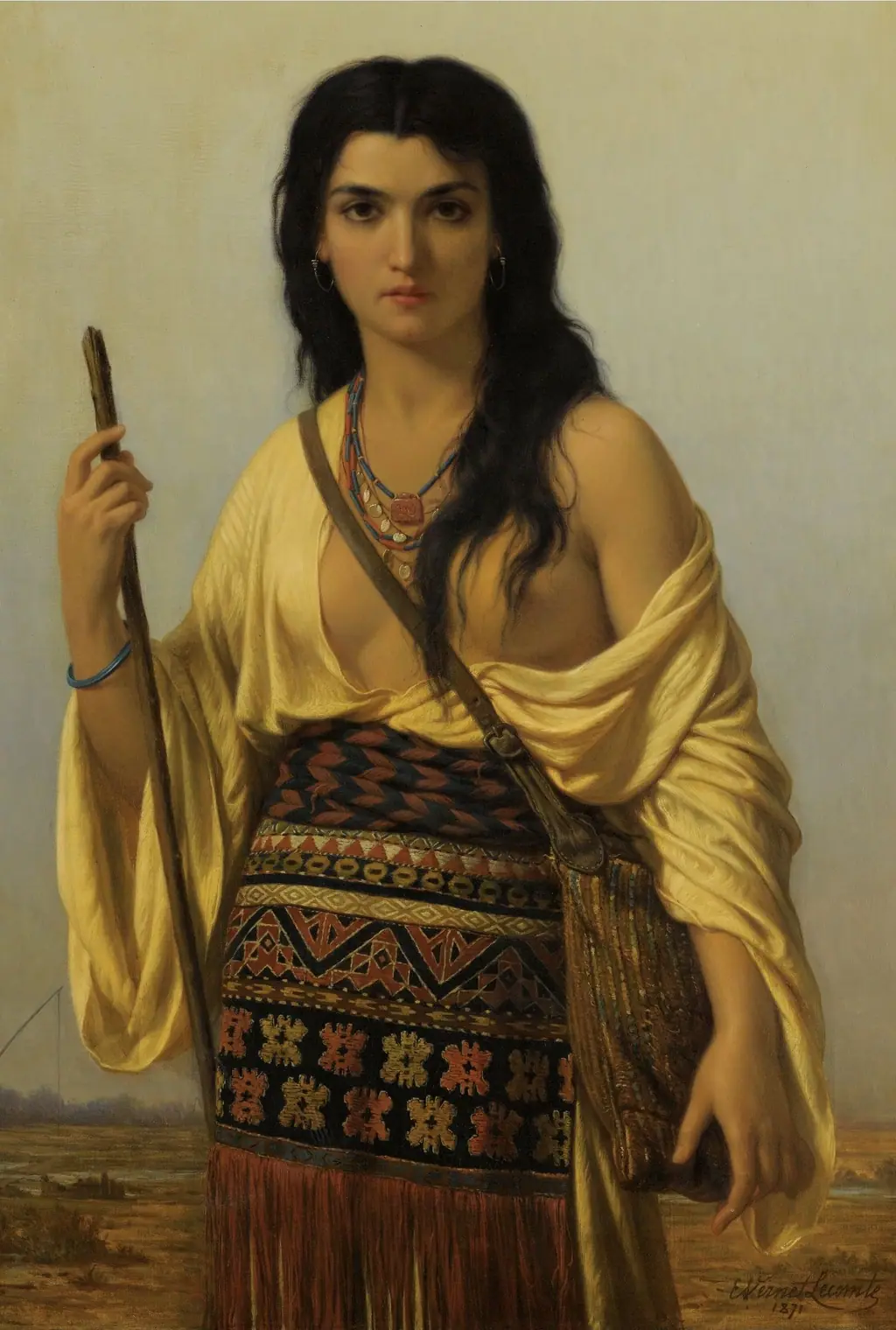
Hiawatha & Minnehaha
"Laughing Water," the love that joined two peoples
In Longfellow's epic poem, the Ojibwe hero Hiawatha marries Minnehaha, "Laughing Water," of the Dakota people, joining two nations; she dies of famine in a terrible winter, and he departs toward the sunset.
Read the story